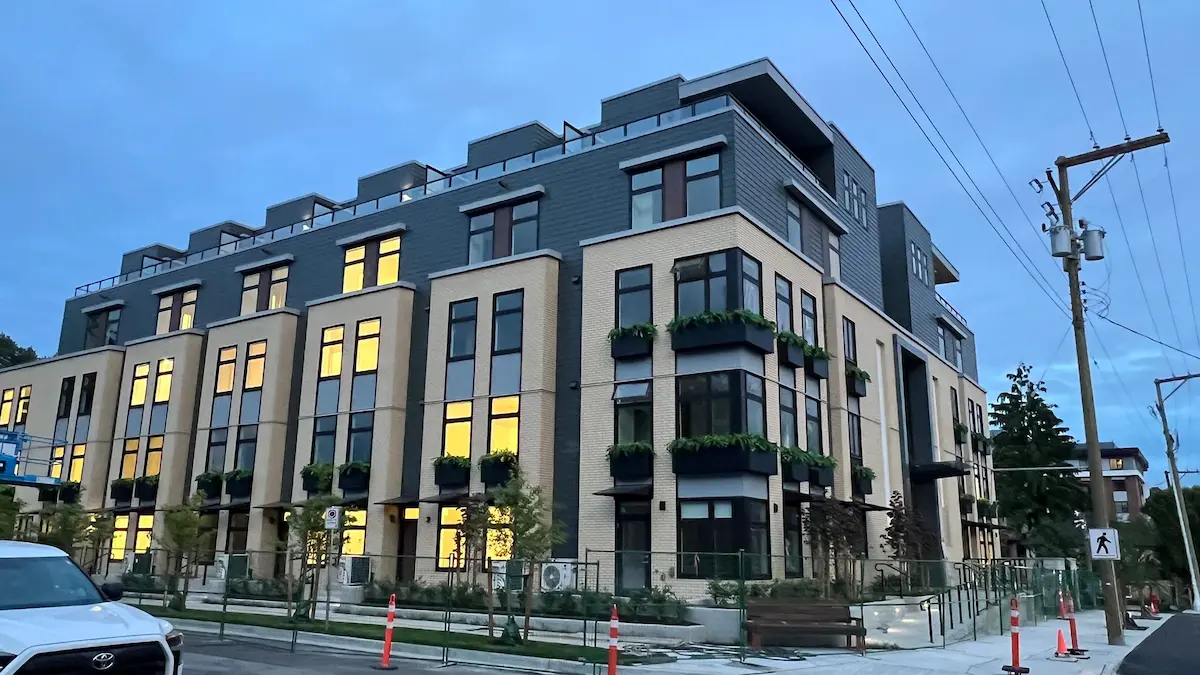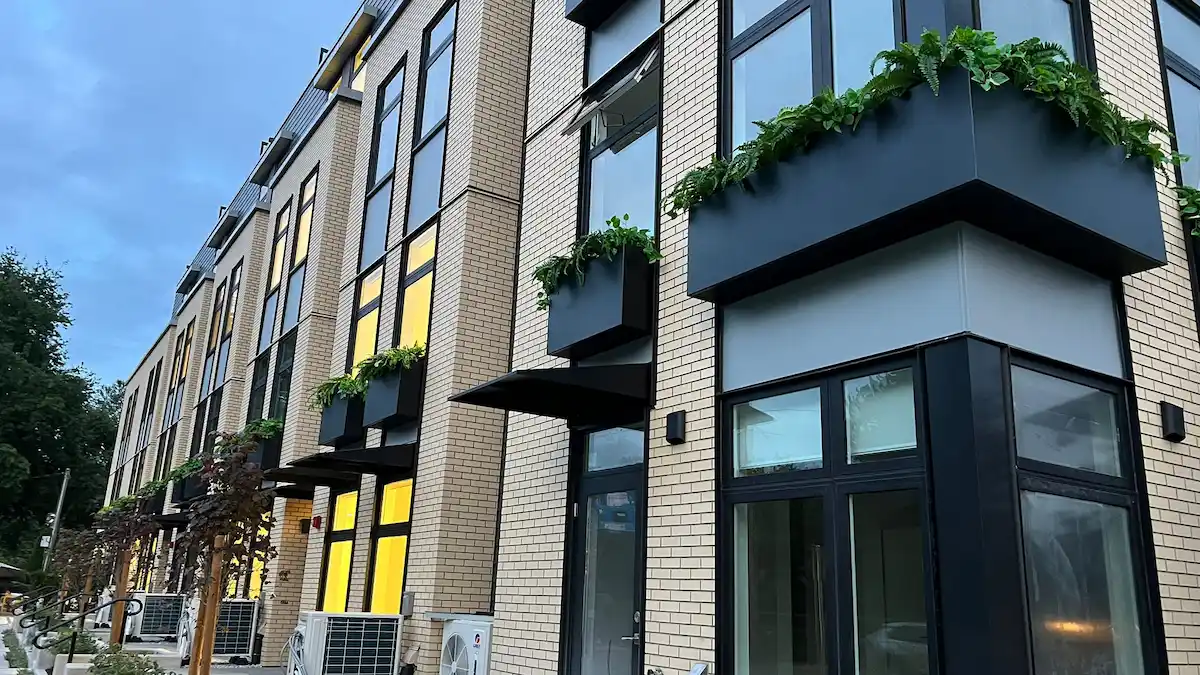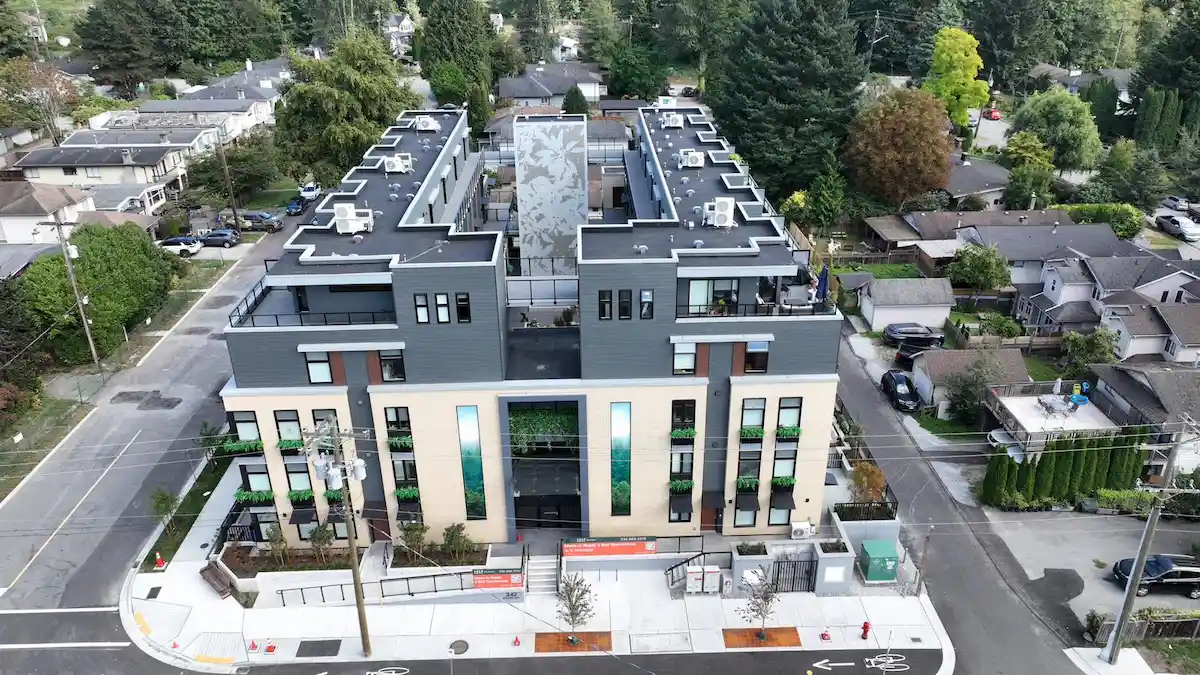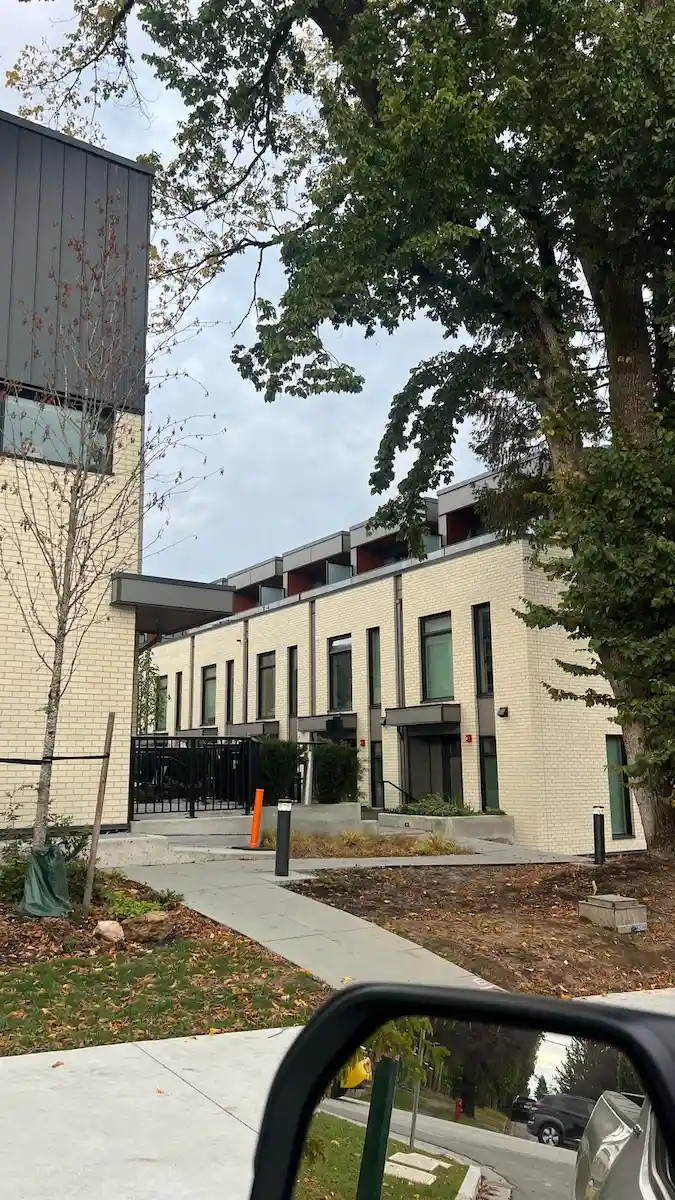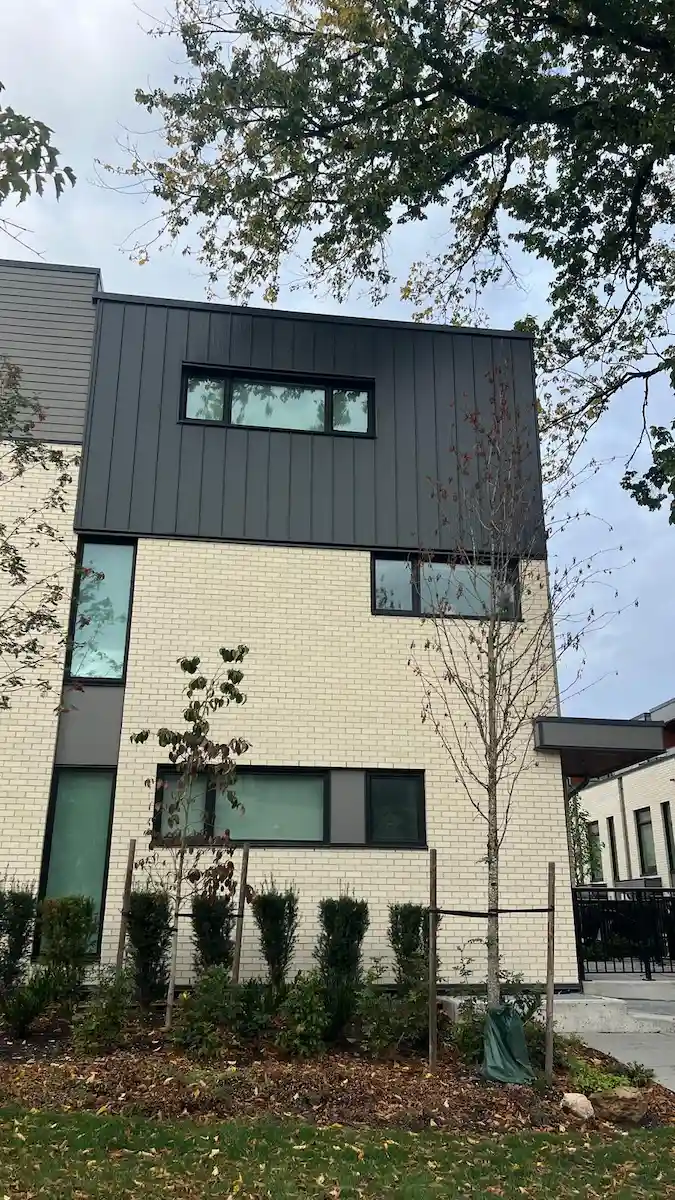
Brick and stone, used together on one facade, create an exterior that feels solid, textured, and built to last — not one material trying to do everything, but two finishes working with each other.
At Silver Siding, we install brick veneer, manufactured stone panels, and natural stone alongside one another, planned and detailed as a single cohesive exterior rather than two unrelated add-ons. For homes across Metro Vancouver, that combination holds up well against a wet, coastal climate while giving a facade more depth and character than a single cladding material usually can.
Whether you’re planning a full reclad, adding a stone accent to an existing brick or fiber cement exterior, or starting from a new build, we manage the layout, material selection, and moisture-managed installation from start to finish.
If you’re weighing brick against stone, or wondering whether the two can work well on your home, we’re happy to walk through the options with a free, no-obligation estimate.
“Brick and stone siding” refers to the cladding installed on the outside of a home using brick veneer, stone veneer, or both — applied as a finish layer over a prepared wall assembly, not built as a structural wall. That distinction matters: what we install is a veneer and cladding system, not structural masonry, where brick or stone is laid to form a load-bearing wall. The look and durability are similar; the construction method and weight are not.
For most of the projects we see, brick and stone work happens together rather than as a single material covering an entire house — stone is often used for a porch, chimney, or lower section, with brick or another material carrying the rest of the elevation. The next section covers how that combination is typically planned.
Brick and stone don’t have to compete for the same wall. On most homes, the two work best when each one is given a clear role — stone anchoring an entryway, a chimney, or the lower portion of a facade, while brick carries the broader wall surface, or the reverse. The combination tends to make the most sense for full reclads, for homes adding a stone or brick accent to an existing fiber cement or stucco exterior, and for new builds where the design calls for more than one texture from the start.
The most common approach is to let one material define the “base” of the home — often stone along the lower few feet, around a porch, or up a chimney — and let the second material take over above or around it, with a clean transition line, consistent trim, and matching flashing details. We work out that layout with you before anything goes on the wall, so the transition reads as intentional rather than patched together.
Brick Veneer & Thin Brick (Brick Slips)
Brick veneer gives a home the look of full brick at a fraction of the weight, since it’s a thin facing material rather than structural brick. Thin brick — sometimes called brick slips — is a similar approach using individual brick-faced pieces, which works well for accent walls, porch columns, and tying new construction into an existing brick look. We install both with proper flashing and drainage behind the units, since trapped moisture behind brick veneer is one of the more common causes of problems later on.
Natural Stone Veneer
Natural stone — including limestone, sandstone, granite, and slate — is cut into veneer pieces and applied over a prepared substrate. It’s the heaviest and most labor-intensive option of the group, and the one with the most natural variation in color and texture from piece to piece, which is part of why people choose it for entry features, chimneys, and other focal points rather than an entire facade.
Manufactured Stone Panels
Manufactured stone is engineered to reproduce the look of natural stone in a lighter, more consistent, and generally faster-to-install product. It’s a practical option when the visual goal is “stone” but the wall assembly, budget, or timeline doesn’t suit full natural stone veneer.
Mixed Brick-and-Stone Facades
This is where the two materials are planned together from the start — stone wrapping a lower level or entry, brick carrying the rest of the elevation, with shared trim and a deliberate transition between them. Done well, it reads as one designed exterior rather than two unrelated finishes stitched together.
Brick and stone are chosen for the same basic reasons: they’re durable, fire-resistant, low-maintenance compared to painted or wood finishes, and they hold up well against Vancouver’s wet climate when installed with proper drainage behind them. Both also tend to support resale value more than lighter cladding materials, since buyers generally read brick and stone as permanent, higher-end finishes.
That said, neither material is the right fit for every project, and we’d rather say that upfront than have it become a surprise mid-project:
For homeowners specifically comparing cost, the short version is: manufactured stone is usually the most budget-friendly of the brick-and-stone options, brick veneer sits in the middle, and natural stone veneer is typically the highest investment — with vinyl siding remaining the lower-cost option overall if budget is the main driver.
| Service Area | Why This Combination May Be a Good Fit | Common Project Types | Local Considerations |
|---|---|---|---|
| North Vancouver | Many homes here sit on sloped lots with mixed wood, brick, and stucco exteriors, where a stone or brick accent can update the street-facing elevation without a full reclad. | Entry features, chimney facing, partial reclads | Sloped sites can mean extra staging and drainage planning around foundations. |
| West Vancouver | Larger custom homes and full reclads are common, and brick-and-stone combinations are often used to match higher-end architectural styles in the area. | Full exterior reclads, new builds, mixed-material facades | Coastal exposure makes consistent rain screen detailing especially important behind veneer. |
| Burnaby | A wide mix of single-family homes, townhomes, and multi-unit buildings often means brick or stone accents are used to update curb appeal without changing the full building envelope. | Accent walls, entry porches, townhouse front elevations | Multi-unit projects may involve strata approval before exterior changes proceed. |
| Richmond | Newer builds and reclad projects in the area often pair brick or stone with fiber cement or other panel systems for a layered exterior look. | New construction, reclads paired with fiber cement | Site conditions can affect drainage planning, so substrate assessment is done before installation. |
| Greater Vancouver | Across the region generally, brick and stone remain a common choice for homeowners working with a Vancouver siding contractor who can manage drainage and material weight properly, since long-term durability and resale value often matter more than upfront cost. | Reclads, accent features, new builds | Coastal rainfall makes proper drainage behind any brick or stone veneer a standard requirement, not an upgrade. |
Homeowners working with a siding contractor in North Vancouver or looking into siding services in West Vancouver often ask us to compare the combination against fiber cement before deciding, since both hold up well in this climate but look and cost differently. The same is true for homeowners working with a Burnaby siding contractor or planning siding installation in Richmond, where we’re regularly brought in partway through a renovation to handle just the exterior cladding.
This page covers brick and stone used together — or either one paired with another material on the same facade. If you’re looking at an exterior finished entirely in stone siding, with no brick involved at all, that’s a separate service with its own material options, installation approach, and cost range. The short version: come here if brick is part of the plan in any way; go to the stone siding page if it’s stone only, wall to wall.
Vinyl siding sits at the opposite end of the cost and weight spectrum from brick and stone. It’s lighter, faster to install, and the lower-cost option upfront — which is why it’s often the choice when budget or timeline is the main driver. Vinyl siding also requires less structural consideration, since it doesn’t add meaningful weight to a wall assembly the way natural stone can.
Brick and stone cost more and take longer to install, but they tend to hold up longer with less maintenance over time, and most buyers read them as a higher-end, more permanent finish — which is reflected in how they tend to affect resale value. Some homeowners split the difference by using vinyl for the bulk of a home’s exterior and brick or stone as an accent on an entry, porch, or lower level.
Fiber cement siding is often the middle ground between vinyl and brick or stone — more durable and fire-resistant than vinyl, lighter and generally faster to install than brick or natural stone, and available in panel or lap styles that can mimic wood or stucco. It’s a common pairing material on mixed-material exteriors, where fiber cement covers most of the wall and brick or stone is used for an accent feature rather than the whole facade.
Before any brick or stone goes on, we assess the existing wall assembly — checking for moisture damage, verifying the substrate can support the added weight, and identifying any areas that need attention before cladding begins. This matters more with brick and stone than with lighter siding materials, since skipping this step is one of the more common reasons these installations run into problems down the line.
A Tyvek air barrier is installed over the substrate before brick or stone veneer goes on. Where needed, a rain screen system creates a drainage gap so any moisture that gets behind the units can escape rather than sit against the wall. In Vancouver's climate, this isn't an optional extra — it's part of doing brick and stone properly.
Brick courses and stone pieces are set, cut, and secured according to the manufacturer's specifications and the profile being installed. Where the two materials meet on the same facade, we pay particular attention to the transition line, shared trim, and flashing — so the result reads as one planned exterior rather than two finishes stitched together at the edges.
10+
Years of experience
100+
Completed projects
100%
Licensed & insured
Free
Estimate — no obligation
Licensed & WorkSafeBC Compliant
Every project meets BC Building Code standards. Fully insured on every job.
Rain Screen as Standard
Not an upgrade — the baseline. Every installation is detailed for Vancouver's rainfall levels.
Free, Itemised Estimates
No vague quotes. A clear, detailed breakdown before any work begins.
Brick, Stone, and the Materials Behind Them
Brick veneer, thin brick, manufactured stone, and natural stone veneer from trusted suppliers — matched to your wall assembly. No substitutions without your approval.
Local Team
Based in West Vancouver, minutes from North Vancouver. We know the terrain, the access challenges, and the permit requirements.
Clean Job Sites
We respect your property. Thorough cleanup is part of every project, every time.
As a general rule, manufactured stone panels tend to be the most budget-friendly option, brick veneer sits in the middle, and natural stone veneer is usually the highest investment of the three, mainly because of material weight and installation time. Vinyl siding remains the lower-cost option overall if budget is the main factor.
This page covers brick and stone used together, or either one paired with another material on the same facade. If your home will be finished entirely in stone with no brick involved, that falls under our separate stone siding service, which has its own material options and cost range.
Yes. Brick and stone are commonly used as accents alongside vinyl siding or fiber cement, often on an entry feature, chimney, or lower section of a home, with the other material covering the rest of the exterior.
Yes. A drainage gap behind brick or stone veneer is standard on our installations, not an optional upgrade, since trapped moisture behind these materials is one of the more common causes of long-term problems in Vancouver's climate.
Yes. We handle the removal of the existing material, substrate preparation, and installation of brick veneer, stone veneer, or a combination of the two as part of a reclad project.
We install brick veneer and stone veneer as a cladding system over a prepared wall assembly, not structural masonry where brick or stone forms a load-bearing wall. If you're looking for someone to install a brick or stone exterior finish, that's exactly what we do; if you need a structural masonry wall built, that's a different trade.
It depends on the size of the project, the materials chosen, and how much of the facade is covered, but brick and stone generally take longer to install correctly than panel-based siding, since each course or piece is set and detailed individually.
If you’re deciding between brick, stone, or a combination of the two, the most useful next step is usually a short site visit rather than guessing from photos online. We’ll look at your existing wall assembly, talk through material and cost trade-offs, and put together a clear, itemized estimate — no obligation either way.
Call us at (778) 522-1384 or get in touch to schedule a free estimate.
Get a quote today
Hours
Why Silver Siding exterior
Fill out the form below