Metal Siding Installation
Metro Vancouver’s coast doesn’t make life easy for a building’s exterior. Heavy rain, salt-tinged wind, and long damp winters wear down materials that aren’t built for it. Metal siding is one of the few cladding options engineered to take that punishment for decades without warping, rotting, or fading the way wood and some composite sidings can.
What Metal Siding Is and Why It Performs Well in Wet, Coastal Climates
Metal siding is exterior cladding formed from aluminum or steel sheet, finished with a protective coating and installed in a range of profiles — horizontal lap, vertical, board-and-batten, corrugated, or standing seam. The material itself doesn’t change much from one profile to the next; what changes is the look, and that’s a big part of why it works on such a wide range of homes and commercial buildings, from modern infill construction to renovated mid-century properties.
What makes it a strong fit for this region specifically comes down to moisture behavior. Wood siding can absorb water at the seams and start to rot from the inside out. Some composite products can swell or delaminate over repeated wet-dry cycles. Properly coated metal siding doesn’t absorb water in the first place, so the rain and humidity that are simply normal here don’t create the same long-term risk to the material.
That said, not every metal siding installation performs the same way over time. Panel gauge, coating quality, the fastening method, and how the wall assembly behind it is detailed all affect how well it holds up — which is part of why the installation work matters just as much as the material itself.
Metal Siding Materials and Profiles We Install
“Metal siding” covers a wider range of looks than most people expect. The material is either aluminum or steel sheet with a protective finish, but the profile it’s formed into — lap, vertical, board-and-batten, corrugated, or standing seam — changes the entire character of a building. We work with all of these, and we also install several engineered panel systems that have their own dedicated product lines, including AL13 Panels for projects that call for a more architectural, flat-panel look.
Aluminum Siding
Aluminum is the lighter of the two metal options, which makes it easier to work with on taller walls and multi-storey sections without adding significant load to the structure. It naturally resists corrosion without relying entirely on its coating, which matters in a climate where siding stays damp for long stretches at a time. For homeowners who want a true aluminum panel product rather than lap-style siding, we also install this aluminum option, which is a separate line with its own profiles and finishes.
Steel Siding
Steel is heavier-gauge and more rigid than aluminum, which gives it better resistance to denting from hail, debris, or general impact — a reasonable consideration on properties near trees or in more exposed locations. It comes in the same general profile range as aluminum (lap, vertical, corrugated, standing seam) and takes paint and woodgrain finishes equally well. The trade-off is weight: steel installations require slightly more attention to fastening and substrate strength, which is part of why proper installation matters more with this material than with lighter alternatives.
Corrugated and Standing Seam Profiles
Corrugated and standing seam are the two profiles most associated with a modern, industrial-influenced exterior. Corrugated’s wave pattern sheds water efficiently and reads as a bolder, more textured finish, while standing seam’s clean vertical lines and concealed fasteners give a smoother, more refined look. Both work well as a full exterior treatment or as an accent section against wood or stucco. When the goal is a completely flat, seamless look instead, ACM panel installation tends to be a better starting point than corrugated or standing seam metal.
Wood-Grain and Textured Finishes
For homeowners who like the warmth of wood but not the maintenance, metal siding is available in woodgrain, matte, and textured finishes that hold their color far longer than stained wood or some composite products. If a true engineered woodgrain panel product is what you’re after rather than a finish on standard siding, this panel system is built specifically around that look.
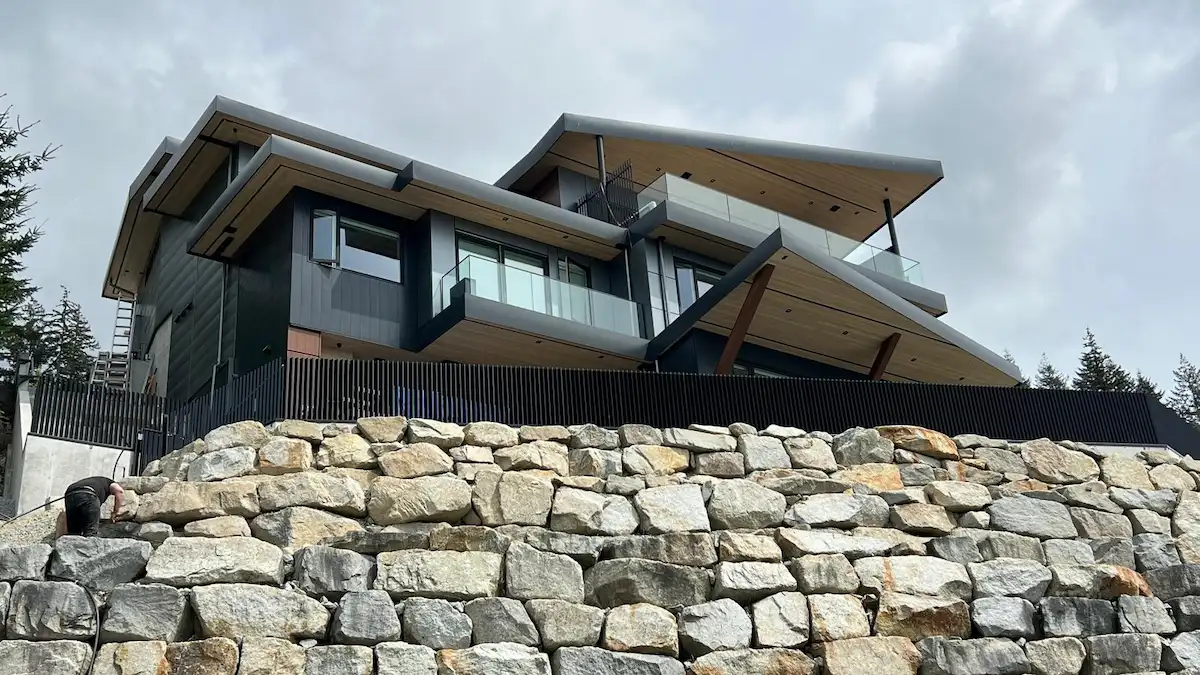
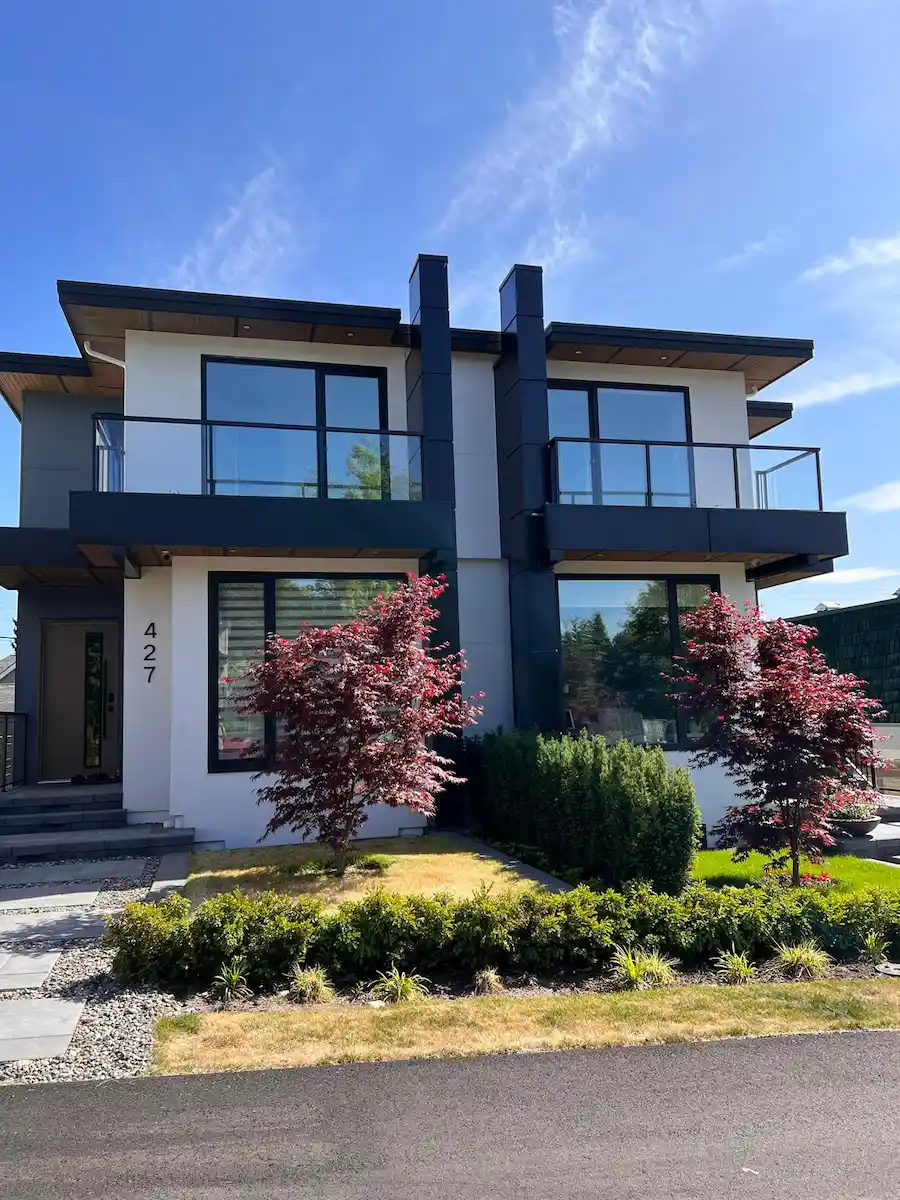
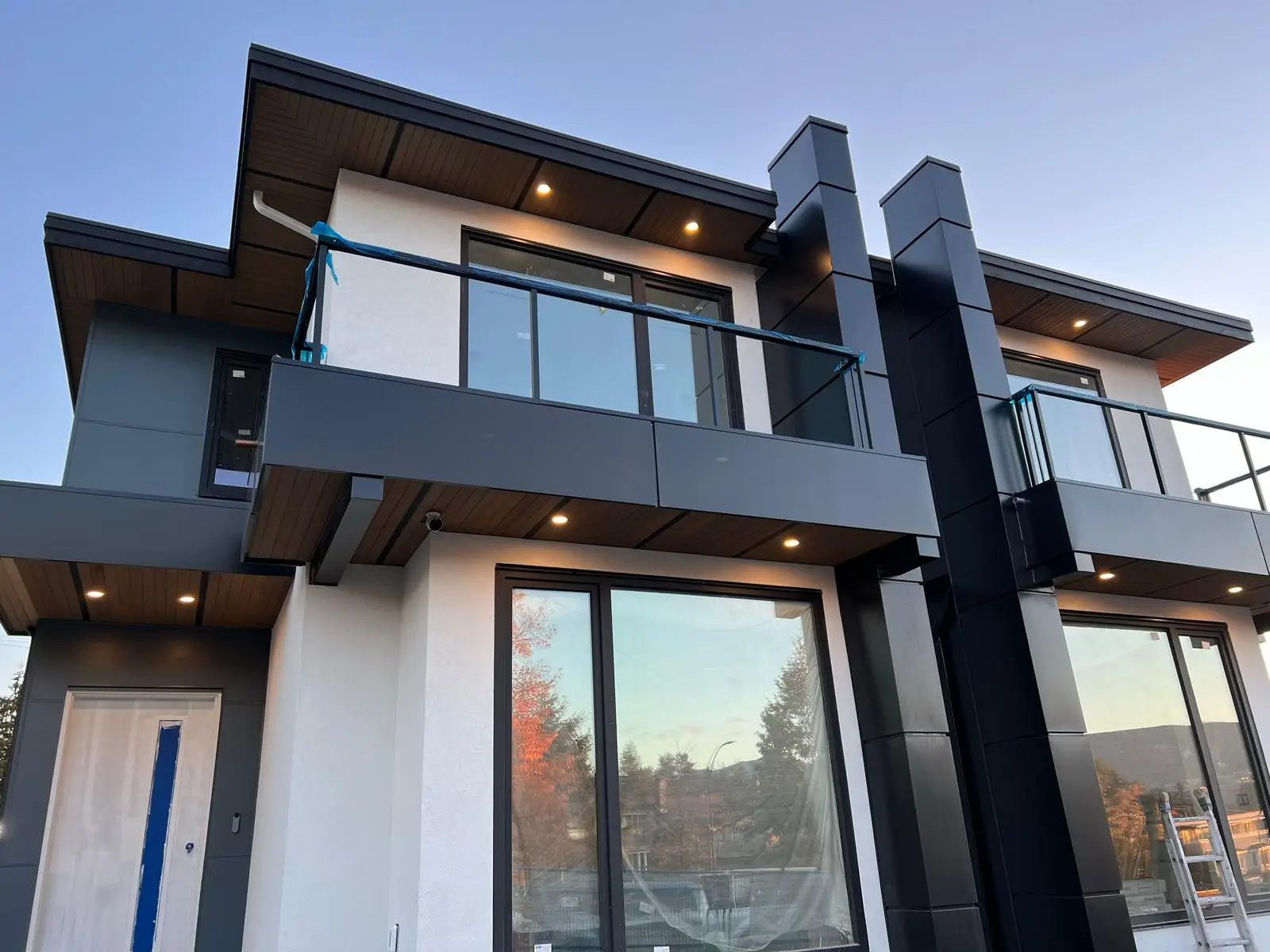
Residential and Commercial Metal Siding Applications
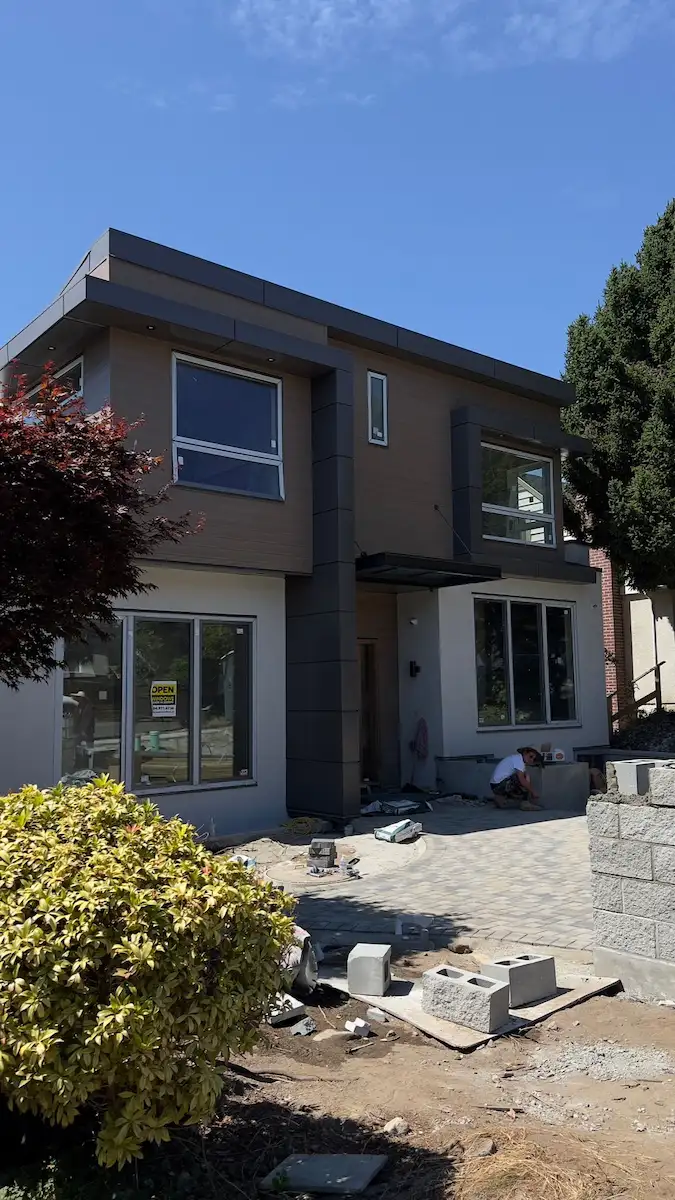
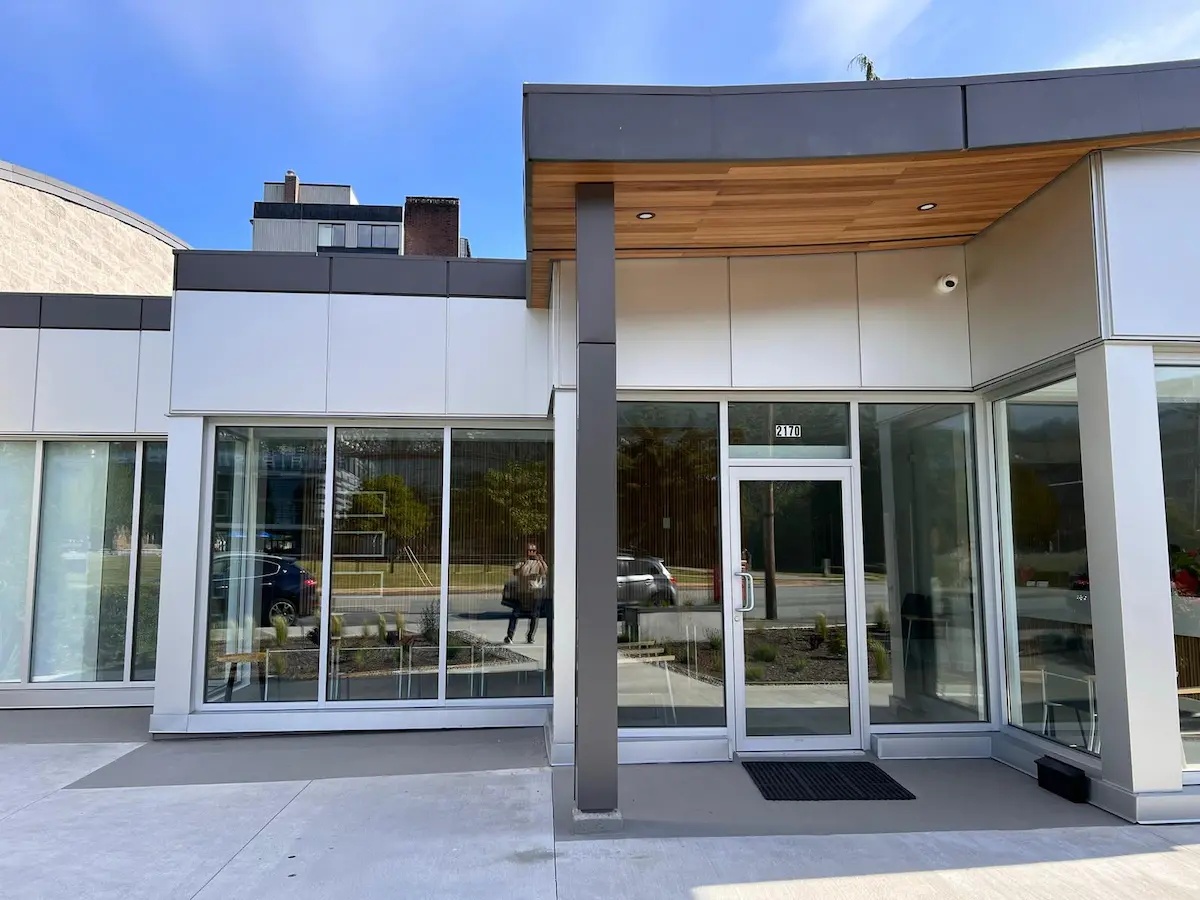
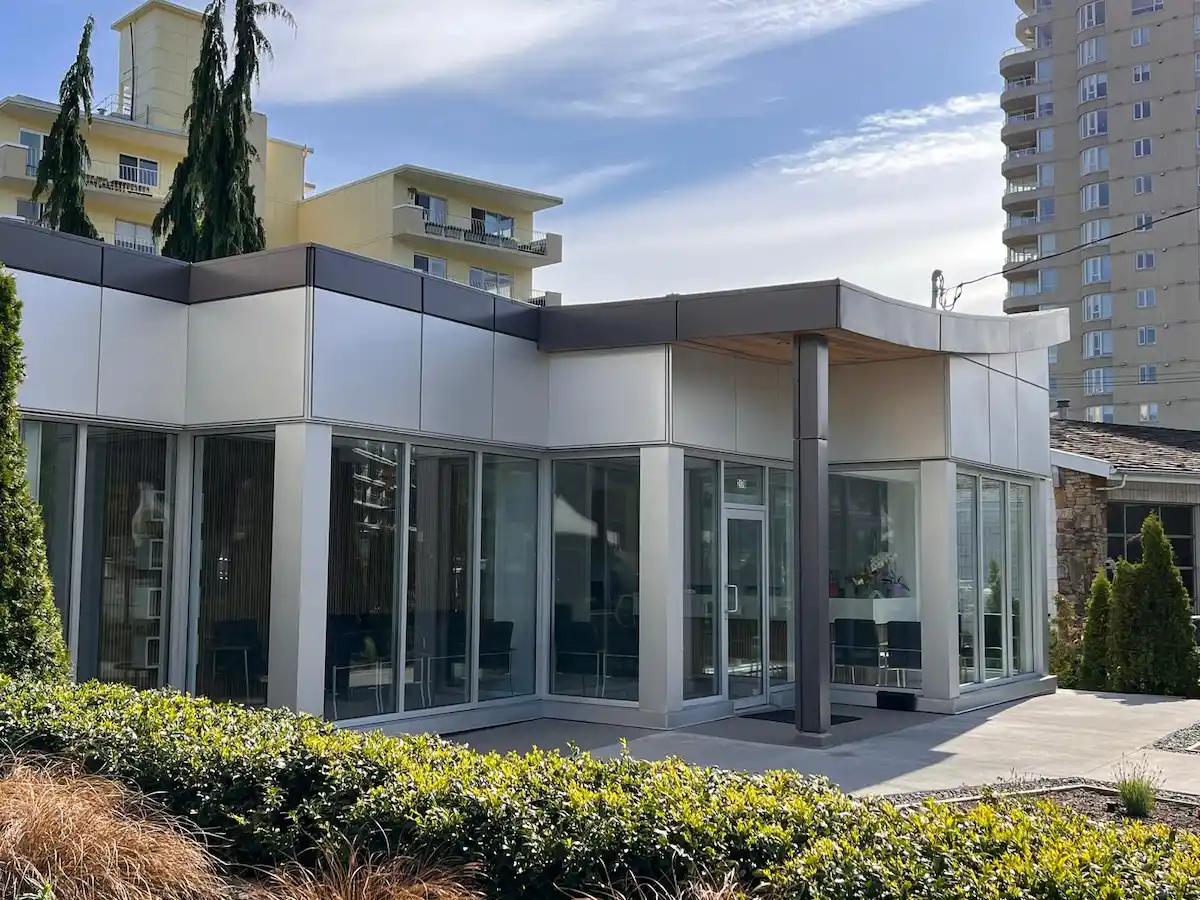
Metal siding works across a broad range of property types, though the reasons it makes sense shift depending on the project:
- Residential homes — full exterior re-clads on modern builds, or as an accent material on renovations alongside wood, stone, or stucco.
- Commercial buildings — durable, low-upkeep exteriors for retail, office, and multi-unit properties where long-term maintenance cost matters as much as appearance.
- Renovations and retrofits — replacing aging or damaged siding on an existing building without changing the underlying structure.
- Repair and replacement of existing metal siding — addressing damaged, corroded, or outdated panels on a building that already has metal siding installed.
One thing worth being upfront about: metal siding’s long-term performance depends heavily on how it’s installed, not just the material itself. Incorrect fastening, poor flashing around windows and corners, or missing moisture protection behind the panels can lead to water intrusion or premature corrosion regardless of how good the panel itself is. This is one material where the installation work and the product are genuinely inseparable from a durability standpoint.
Benefits worth knowing: strong resistance to moisture, rot, and corrosion; very low ongoing maintenance; a wide range of profiles and finishes; and a material that’s largely recyclable at the end of its service life.
Limitations worth knowing: upfront material cost is typically higher than vinyl siding; thinner-gauge panels can dent from significant impact; and field-cut edges may need touch-up coating to match the factory finish over time. None of these rule metal siding out for most properties, but they’re part of an honest comparison against other materials.
Where Metal Siding Is a Good Fit Around Metro Vancouver
| Service Area | Why This Service May Be a Good Fit | Common Project Types | Local Considerations |
|---|---|---|---|
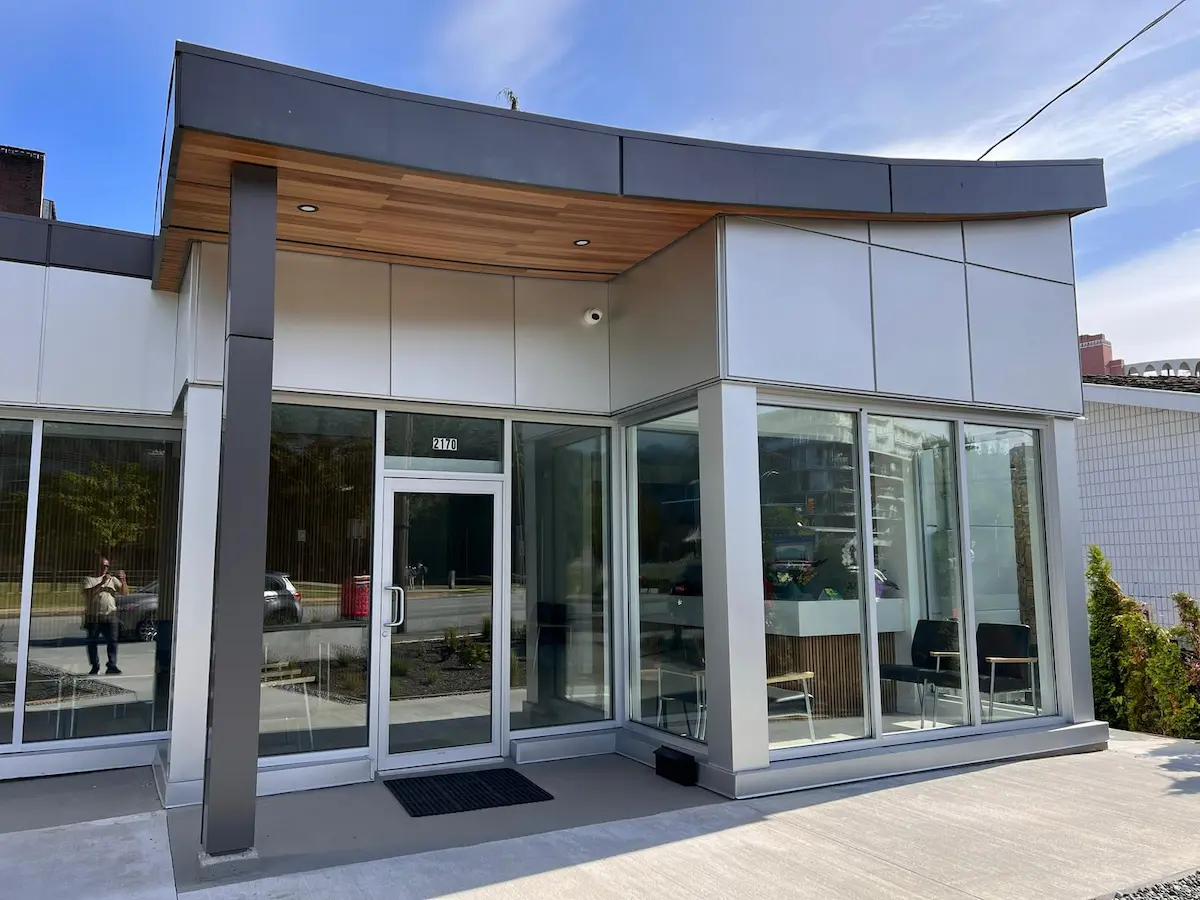
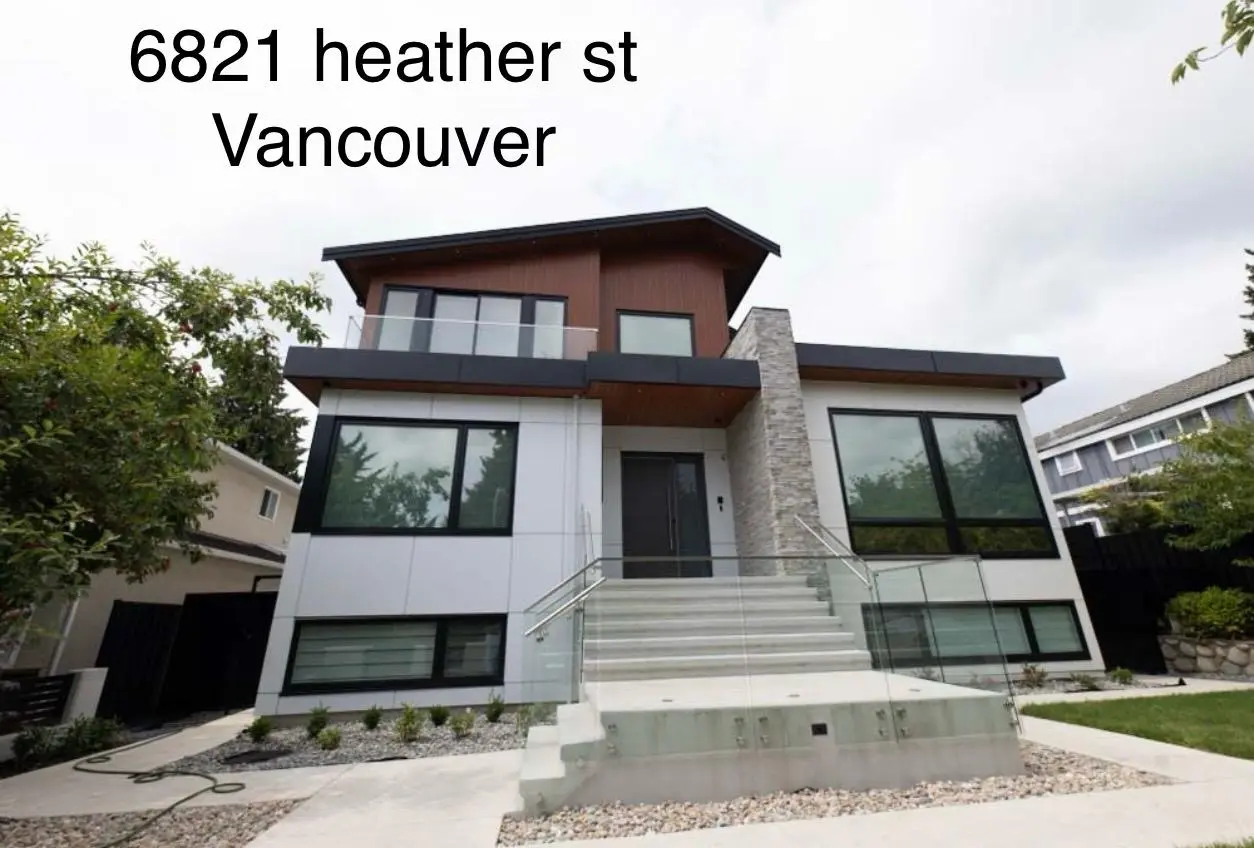
| Vancouver | A mix of older character homes and newer infill construction means metal siding gets used two different ways here — as a full re-clad on contemporary builds, and as an accent against wood or stucco on renovations. See examples of our work across Vancouver for a sense of how that plays out. | Full re-clads, renovation accents, infill new builds | Character-home neighborhoods may have design guidelines affecting exterior material choices |
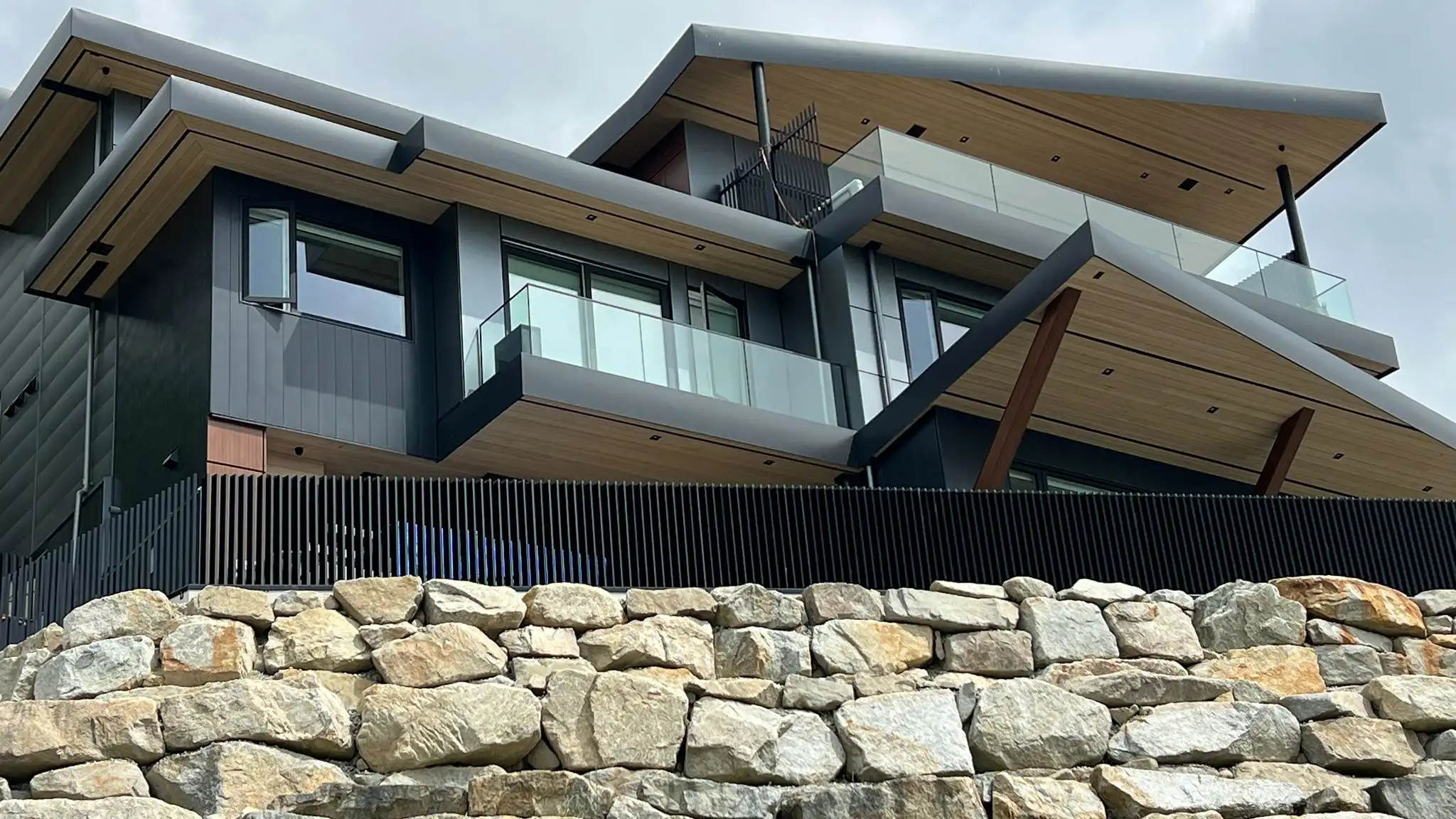
| North Vancouver | Many homes sit on sloped, view-oriented lots with significant rain and wind exposure off the mountainside, which is part of why metal’s resistance to constant moisture cycling shows up often in this area. You can see examples of our work in North Vancouver. | Modern custom homes, laneway homes, accent walls with cedar soffits | Slope drainage and runoff can make flashing detail around windows and roof edges more important |
| West Vancouver | A strong concentration of architect-designed modern homes along with direct coastal exposure makes metal one of the more common cladding choices here, both for durability and a clean, contemporary look. See examples of our work in West Vancouver. | Full exterior re-clads, multi-unit and commercial buildings, architectural accent sections | Salt-tinged air close to the waterfront can accelerate wear on lower-quality coatings, so coating spec matters more here |
| Burnaby | A broader mix of multi-family, strata, and commercial buildings here means metal siding is often chosen for low ongoing maintenance across larger surface areas, not just single-family homes. If you’re comparing contractors, take a look at our work as a metal siding contractor in Burnaby. | Commercial buildings, multi-unit and strata exteriors, retrofits | Strata approval processes can affect timelines and material or color choices on multi-unit buildings |
| Richmond | Lower elevation and proximity to the river mean buildings here often deal with higher ambient humidity, where metal’s resistance to rot and moisture absorption can be a meaningful advantage. We’ve handled several projects involving metal siding installation in Richmond. | Residential re-clads, renovations on older homes, commercial buildings | Higher humidity levels make proper flashing and drainage detailing especially important to avoid trapped moisture behind panels |
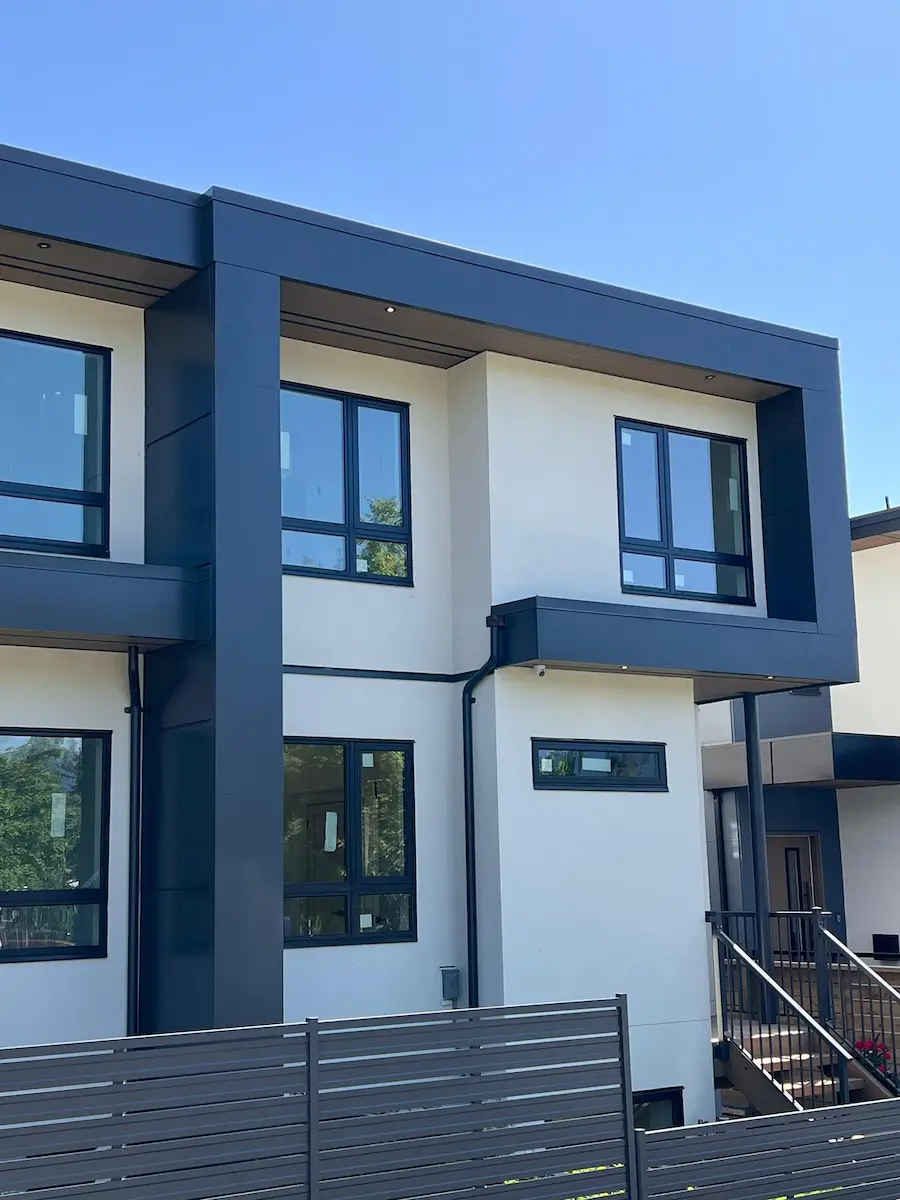
Metal Siding Compared to Vinyl and Fiber Cement Siding
If you’re weighing metal against the other common cladding options, the decision usually comes down to upfront cost versus long-term cost — and how much maintenance you’re willing to take on over the life of the building.
Metal Siding vs. Vinyl Siding
Vinyl typically costs less upfront and installs faster, which makes it a common choice on tighter budgets. The trade-off shows up over time: vinyl can crack in cold weather, fade unevenly in direct sun, and warp if it’s installed too tight against the substrate. Metal costs more to install initially, but it doesn’t fade, crack, or warp the same way, and it holds up better against wind-driven debris and impact. For a full re-clad where the building will be lived in or owned for decades, that difference tends to even out the cost gap over time. For straightforward budget-driven projects, vinyl siding options are still a reasonable choice worth comparing.
Metal Siding vs. Fiber Cement Siding
Fiber cement is the closer comparison aesthetically — it can mimic wood grain convincingly and reads as a warmer material than metal to most people. It’s also considerably heavier, which means more attention to structural support, and unlike metal’s factory-baked finish, fiber cement generally needs repainting on a multi-year cycle to keep its color from chalking. Cut edges also need proper sealing at install, or they can wick moisture over time. Metal skips most of that maintenance cycle entirely, at the cost of a more industrial look that isn’t the right fit for every architectural style. We install fiber cement siding regularly for projects where that warmer, wood-grain look is the priority, and we carry Allura siding as a second fiber cement option with its own colour and texture range.
Neither comparison has a universal right answer — it depends on the look you’re after, the building’s structure, and how much maintenance you want to take on later. If you’re not sure which direction fits your project, that’s exactly what the estimate conversation is for.
One more thing worth a mention: metal siding projects often get paired with new soffit work at the same time, since both are usually replaced together during a full exterior re-clad.
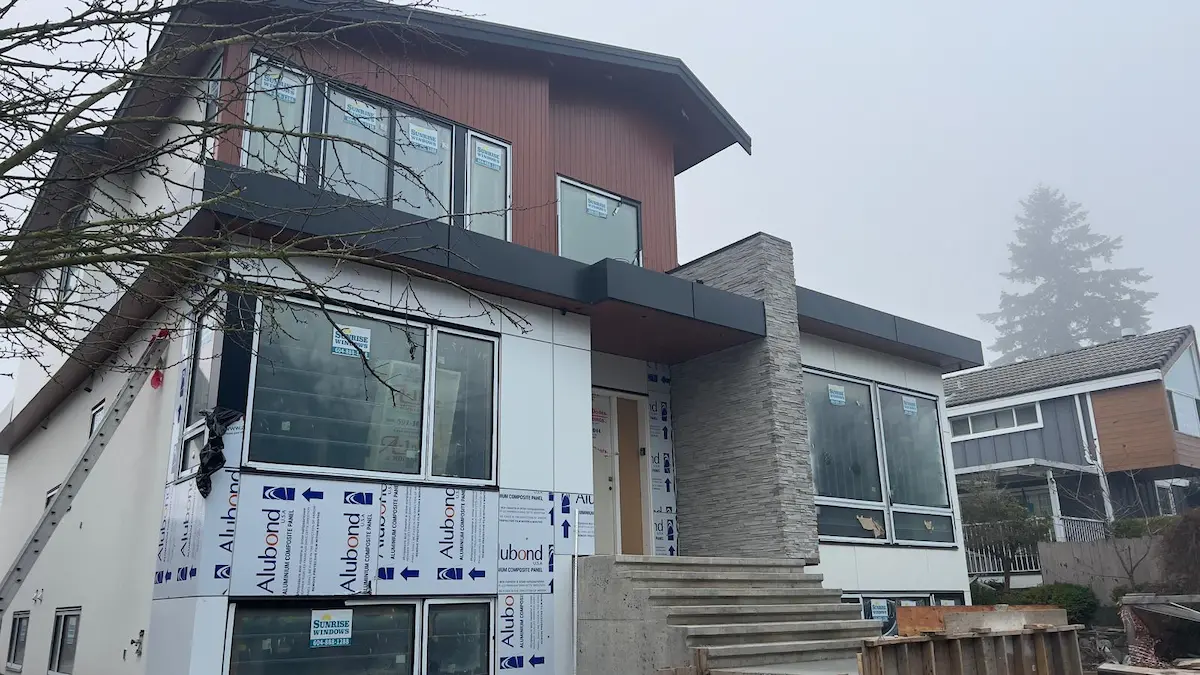
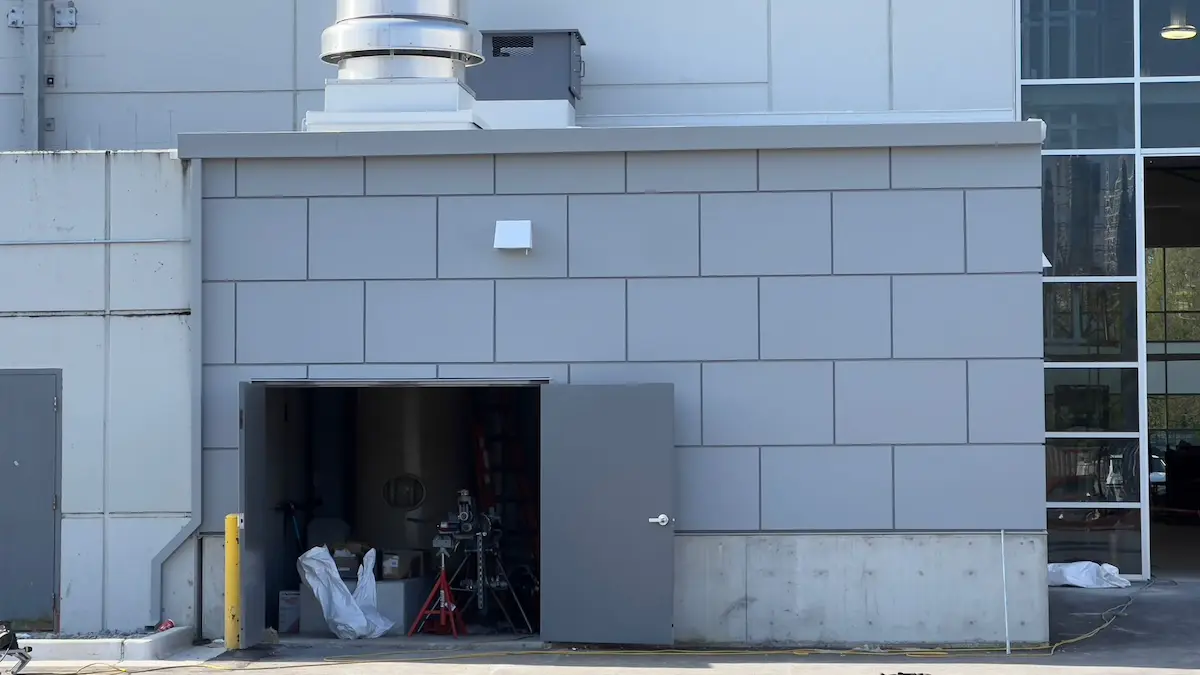
Our Metal Siding Installation Process
Site Assessment and Substrate Preparation
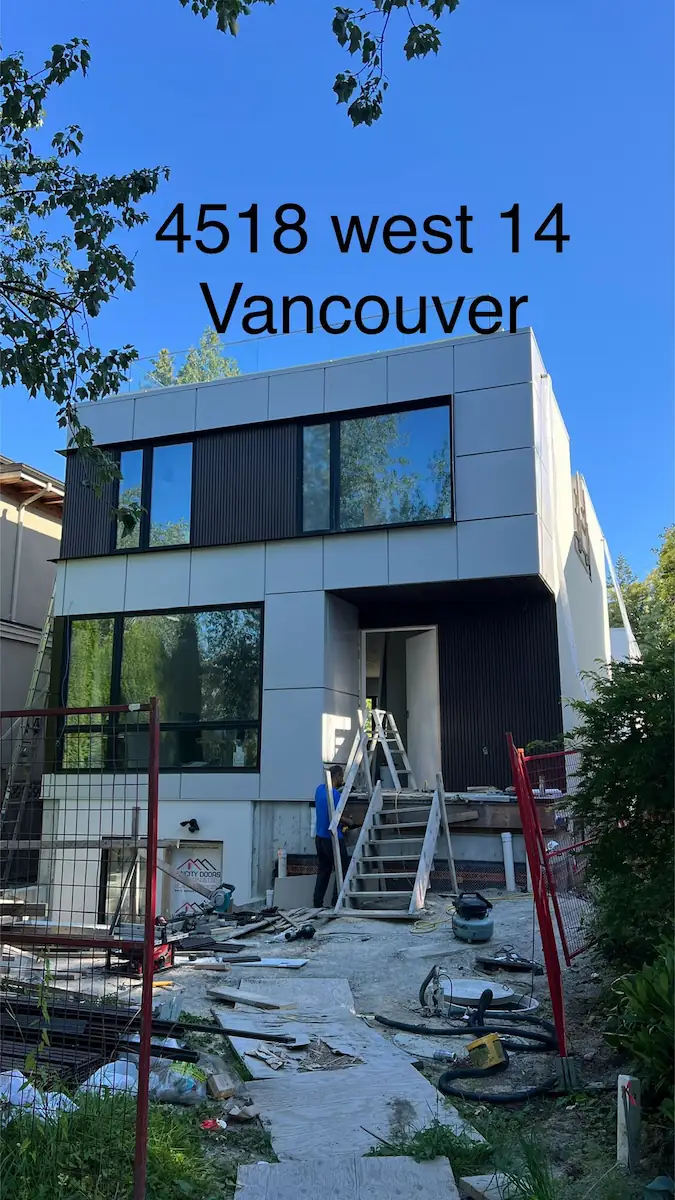
Before any panel goes up, we assess the existing wall assembly — checking for moisture damage, confirming the substrate is sound and flat, and flagging anything that needs attention first. This matters even more with metal siding than with softer materials: panels are rigid and won't flex to hide an uneven wall, so any irregularities underneath show up clearly once the siding is on.
Moisture Barrier and Drainage
A Tyvek air barrier goes on over the substrate first, and a rain screen system creates the drainage gap behind the panels — this is our standard approach on every installation, not an upgrade. With metal specifically, that gap also gives panels room to expand and contract with temperature changes without putting stress on the fasteners or seams.
Panel Installation and Finishing
Panels are cut, fitted, and fastened according to the manufacturer's specifications and the profile you've chosen — lap, vertical, board-and-batten, corrugated, or standing seam. Field-cut edges are sealed properly before the panel goes up, and corners, trims, and transitions are finished to keep water from finding a way in at the joints.
If you’d like to see what this looks like on a finished property before getting an estimate, our project gallery has a wider look at completed work, including a few metal siding installs.
Why Homeowners and Builders Trust Silver Siding
10+
Years of experience
100+
Completed projects
100%
Licensed & insured
Free
Estimate — no obligation
Licensed & WorkSafeBC Compliant
Every project meets BC Building Code standards. Fully insured on every job.
Rain Screen as Standard
Not an upgrade — the baseline. Every installation is detailed for the region's rainfall levels.
Free, Itemised Estimates
No vague quotes. A clear, detailed breakdown before any work begins.
Coated for the Long Run
Aluminum and steel panels with factory-applied protective finishes, fitted and fastened the right way the first time. No shortcuts on gauge or coating quality.
Local Team
Based in West Vancouver, minutes from North Vancouver. We know the terrain, the access challenges, and the permit requirements.
Clean Job Sites
We respect your property. Thorough cleanup is part of every project, every time.
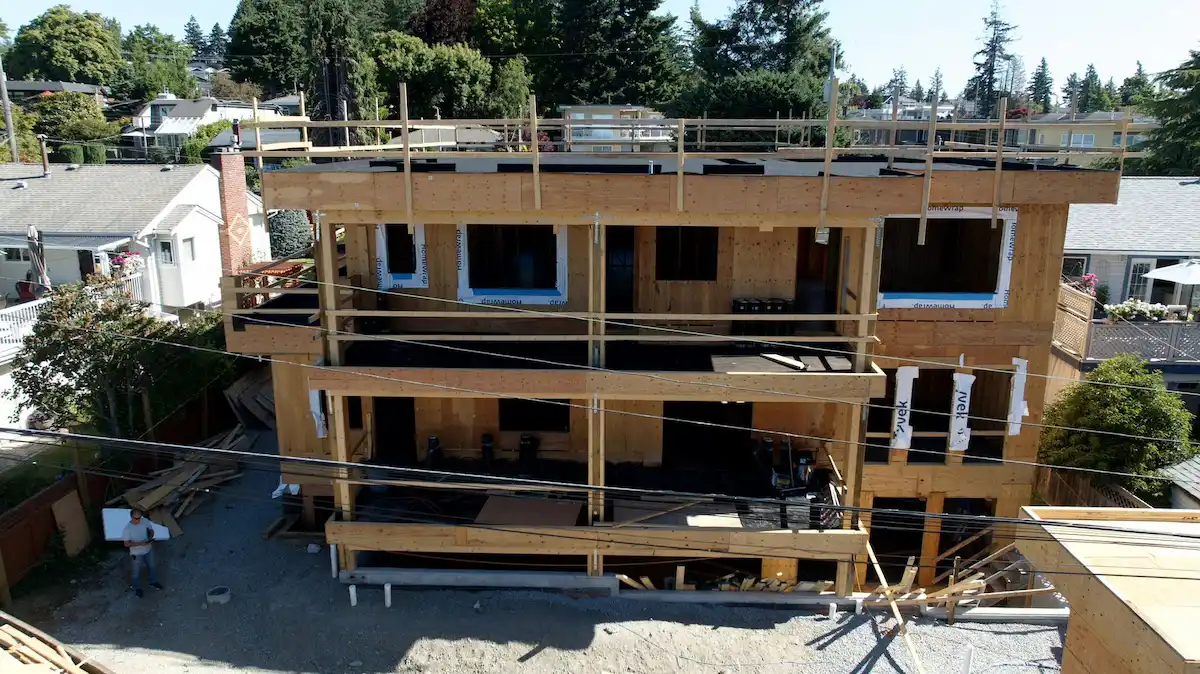
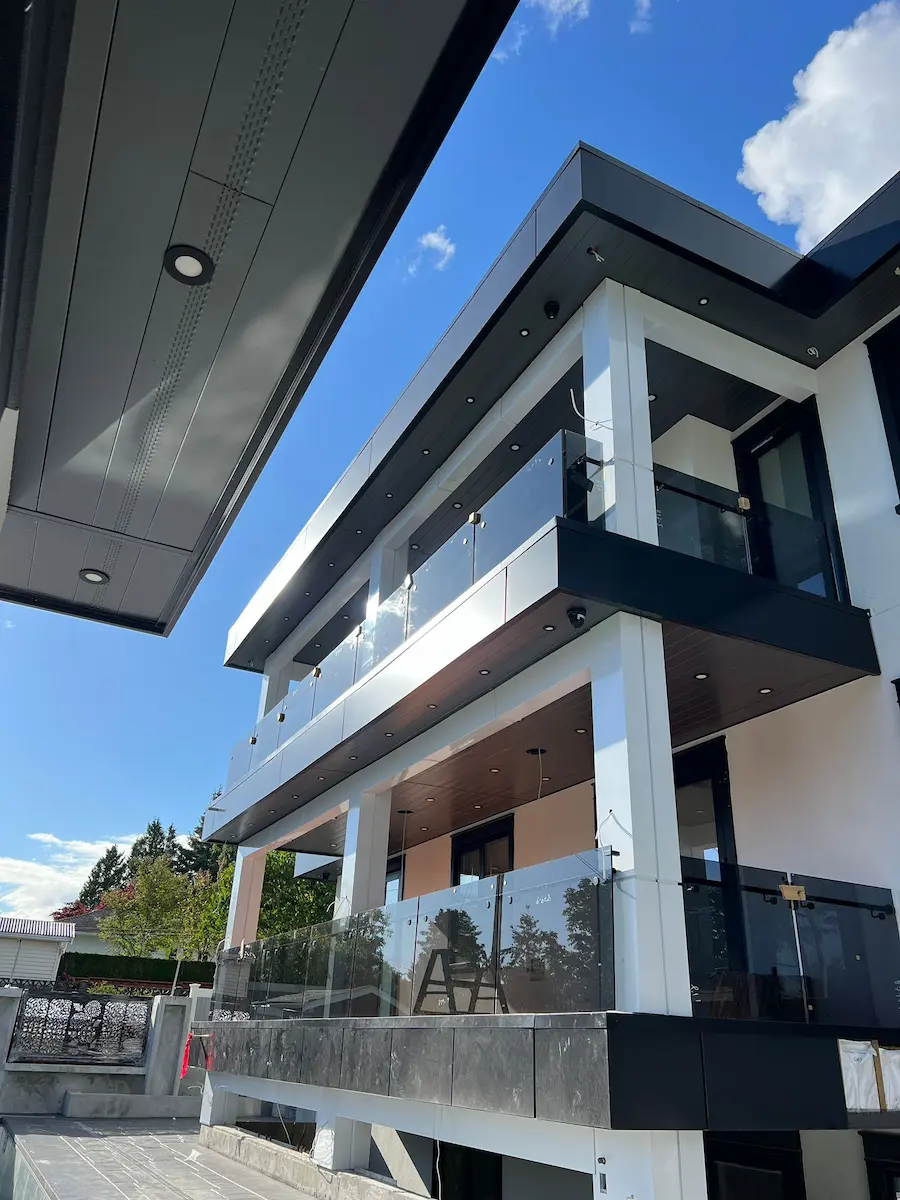
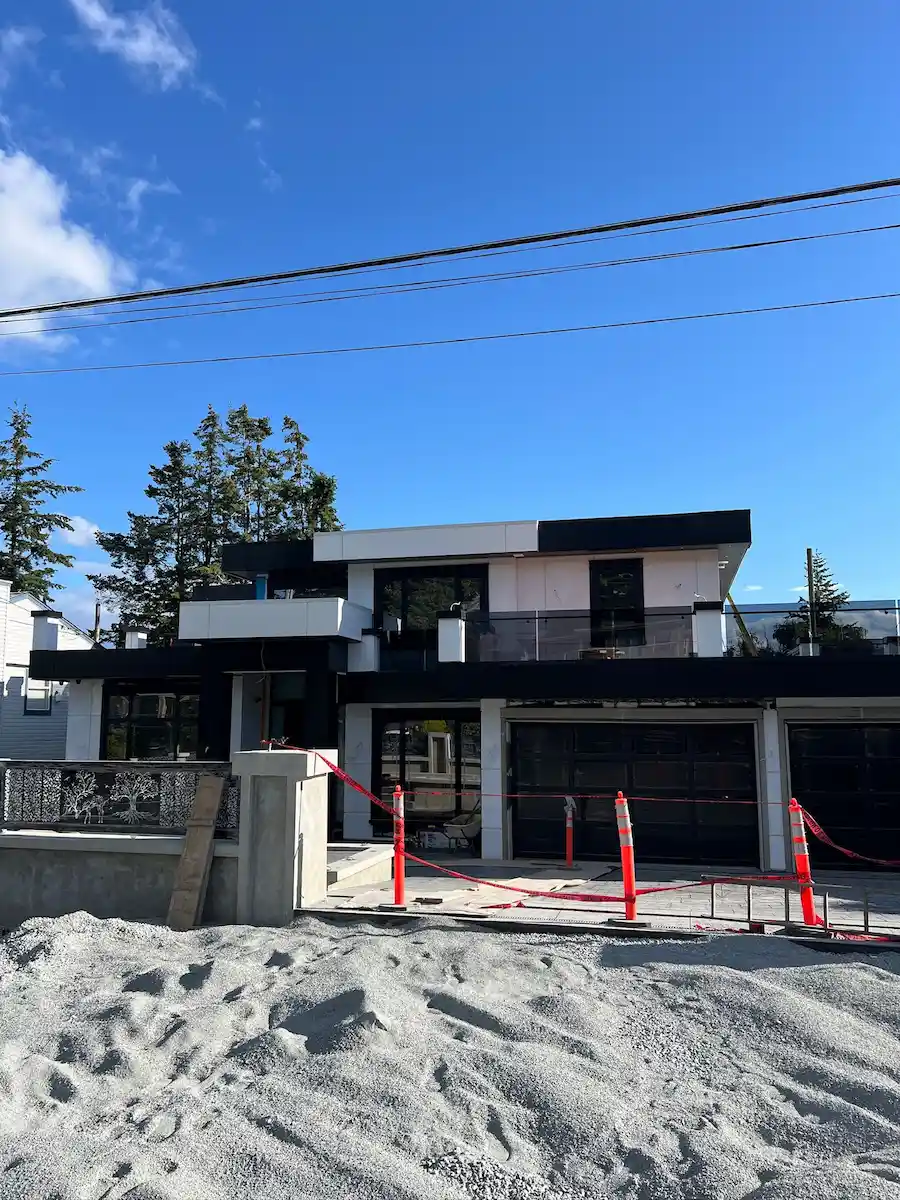
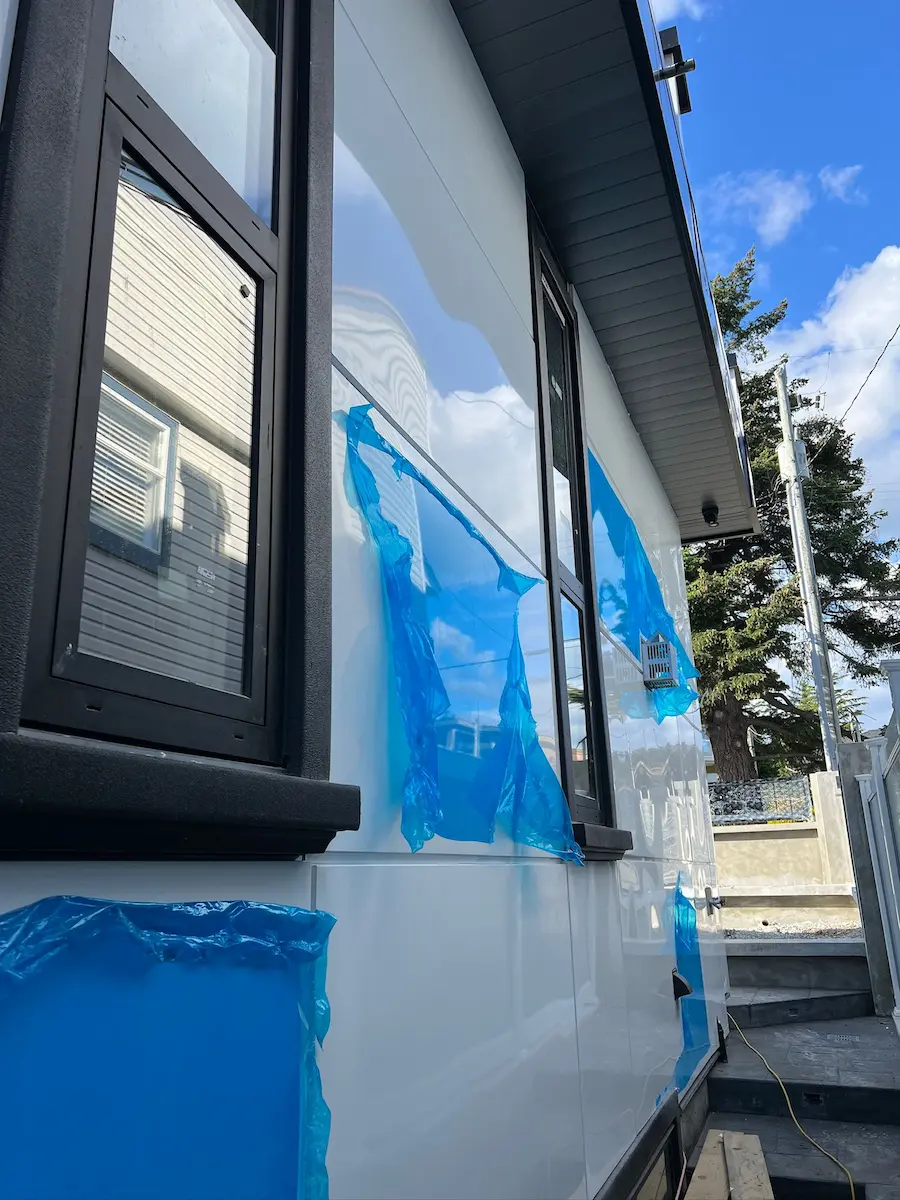
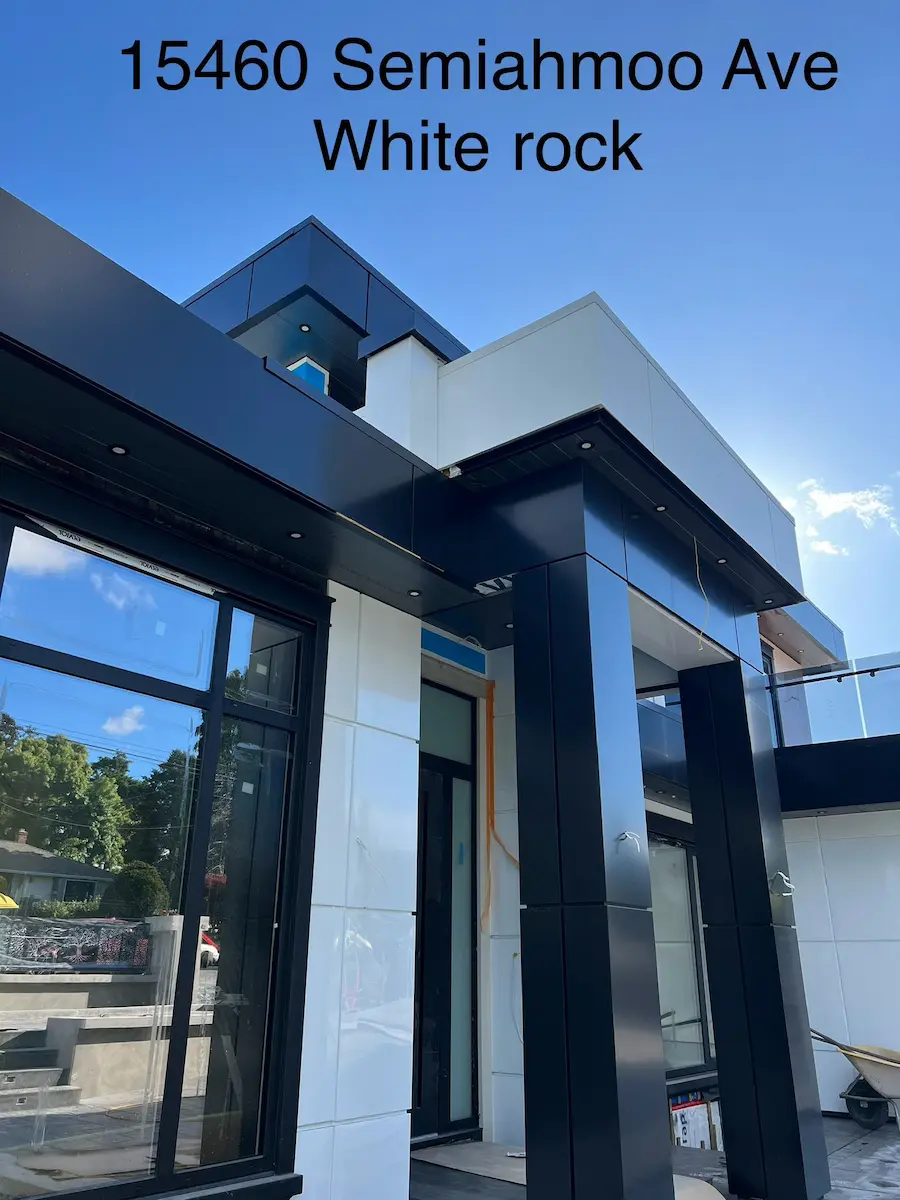
Before & After: A Recent Re-Clad Project
Before and after: a recent siding replacement project in Vancouver.
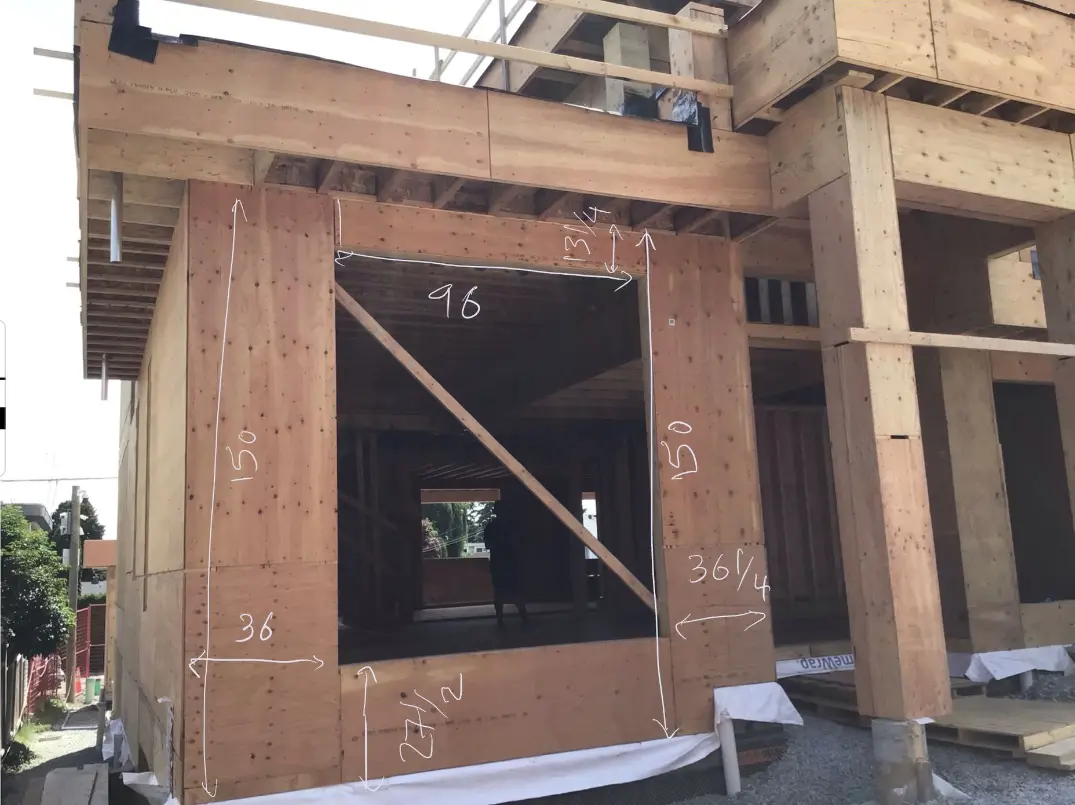
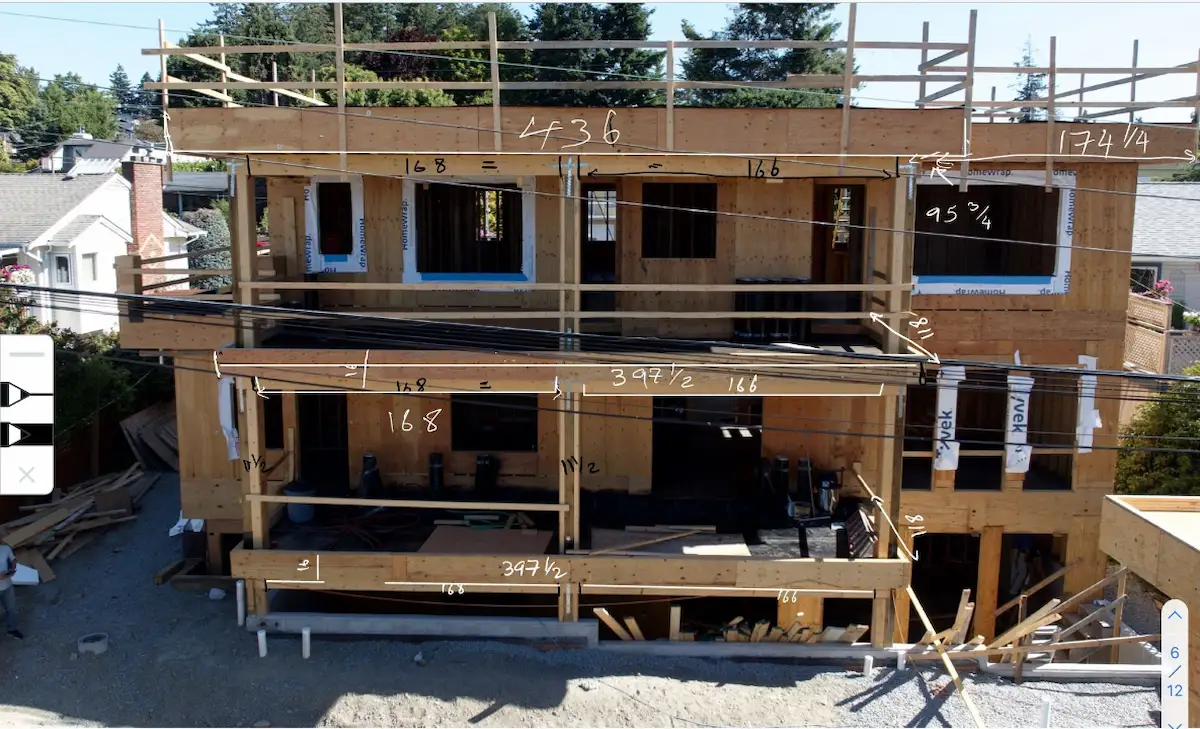
Frequently Asked Questions Metal Siding
Q1: What is metal siding made of?
Metal siding is typically aluminum or steel sheet formed into a profile — lap, vertical, board-and-batten, corrugated, or standing seam — and finished with a protective coating. The coating is what gives it color and most of its resistance to fading and corrosion, so coating quality matters as much as the base metal itself.
Q2: How long does metal siding last?
With proper installation and a quality coating, metal siding commonly lasts several decades with very little upkeep. Actual lifespan depends on the metal gauge, coating quality, and how well the wall assembly behind it was detailed, so it can vary somewhat from one installation to another.
Q3: Will metal siding rust?
Quality aluminum and steel siding is treated with protective coatings designed to resist corrosion, so under normal conditions it won't rust the way untreated metal would. Coating damage from impact or improperly sealed cut edges can create a weak point over time, which is why proper sealing during installation matters.
Q4: Is metal siding more expensive than vinyl?
Generally yes, upfront. Metal siding costs more to install than vinyl, but it doesn't crack, fade, or warp the way vinyl can over time, which narrows the cost gap over the life of the building. Which option makes more sense usually comes down to your budget and how long you plan to own the property.
Q5: Does metal siding fade or need repainting?
Factory-applied coatings are designed to hold their color far longer than paint applied on-site, so well-coated metal siding generally doesn't need repainting the way painted wood or fiber cement does. Some gradual color shift over many years is normal with any exterior finish, but it's far less maintenance than the repainting cycles other materials require.
Q6: Can metal siding be repaired, or does it need full replacement?
It depends on the extent of the issue. An isolated dent or damaged section can sometimes be addressed without replacing the whole wall, while widespread corrosion, coating failure, or outdated material is usually better handled with a full replacement. We can take a look at an existing installation and recommend whichever option makes more sense for your situation.
Q7: Does metal siding expand and contract with temperature changes?
Yes, like most exterior materials, metal siding expands and contracts slightly with temperature swings. This is accounted for in how panels are fastened and spaced during installation, which is part of why proper installation matters for long-term performance.
Q8: How much does metal siding cost?
Cost depends on the material (aluminum or steel), profile, finish, and the size and complexity of the project. We provide free, itemized estimates so you can see exactly what's included before deciding.
Get a Free Metal Siding Quote
If metal siding seems like a fit for your property, the next step is simple: a free, no-obligation estimate so you know exactly what’s involved before deciding anything. Get in touch and we’ll walk through the materials, profile, and budget that make sense for your project.
Get a quote today
Hours
Why Silver Siding exterior
Fill out the form below