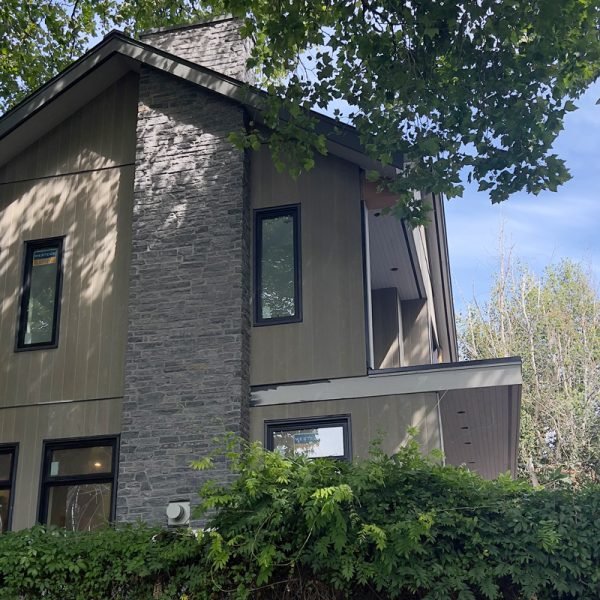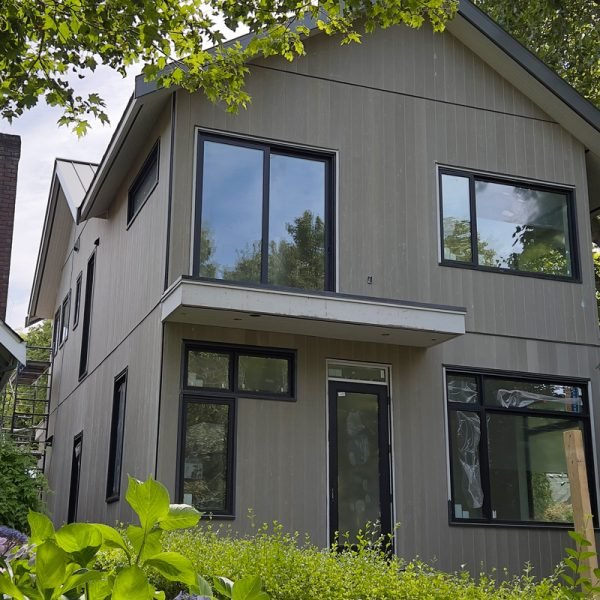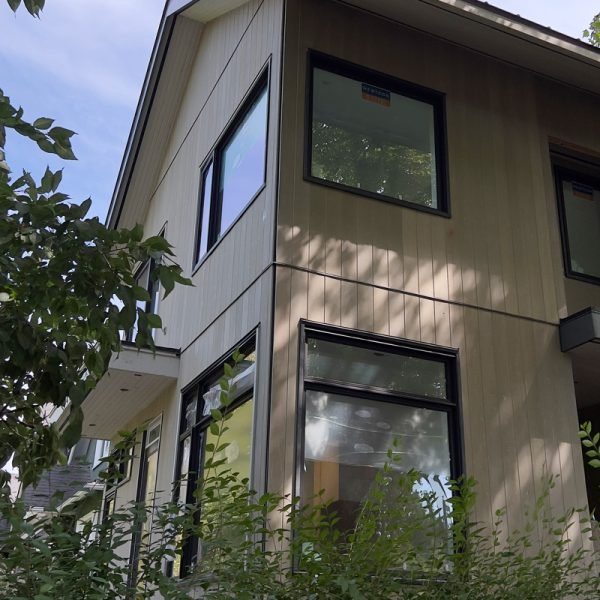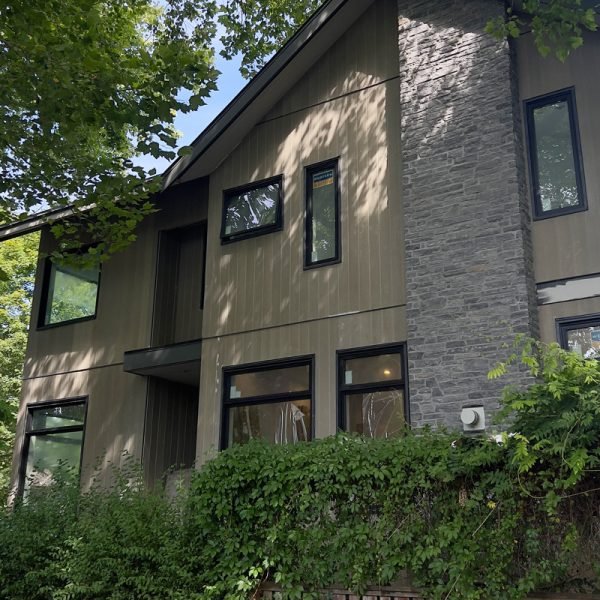
James Hardie fiber cement siding is one of the most requested exterior products in Metro Vancouver — and for good reason. Whether you know it as fiber cement siding or by its brand name, James Hardie, you’re looking at the same engineered product: built to handle coastal rain, hold its colour, and require far less long-term upkeep than traditional wood or vinyl cladding.
At Silver Siding, we install James Hardie’s full lineup — lap siding, panels, and trim — on single-family homes, multi-family buildings, and commercial properties alike. Every installation follows manufacturer-specified clearances, fastening patterns, and joint treatment, because the long-term performance of fiber cement siding depends almost entirely on how precisely it’s installed.
James Hardie makes its fiber cement siding in three core product families — lap siding, panels, and trim — and each one has manufacturer-specified clearances, fastening patterns, and joint treatments that determine how well it performs over time. Below is a breakdown of what we install and where each product fits.
“Fiber cement siding” is the material category — a mix of cement, sand, and cellulose fibers, autoclaved under pressure for strength and dimensional stability. James Hardie is the manufacturer most homeowners in Metro Vancouver mean when they say “fiber cement” or “Hardie board,” since it’s the brand that built the category’s reputation here. When you see either term used on this page, we’re talking about the same product.
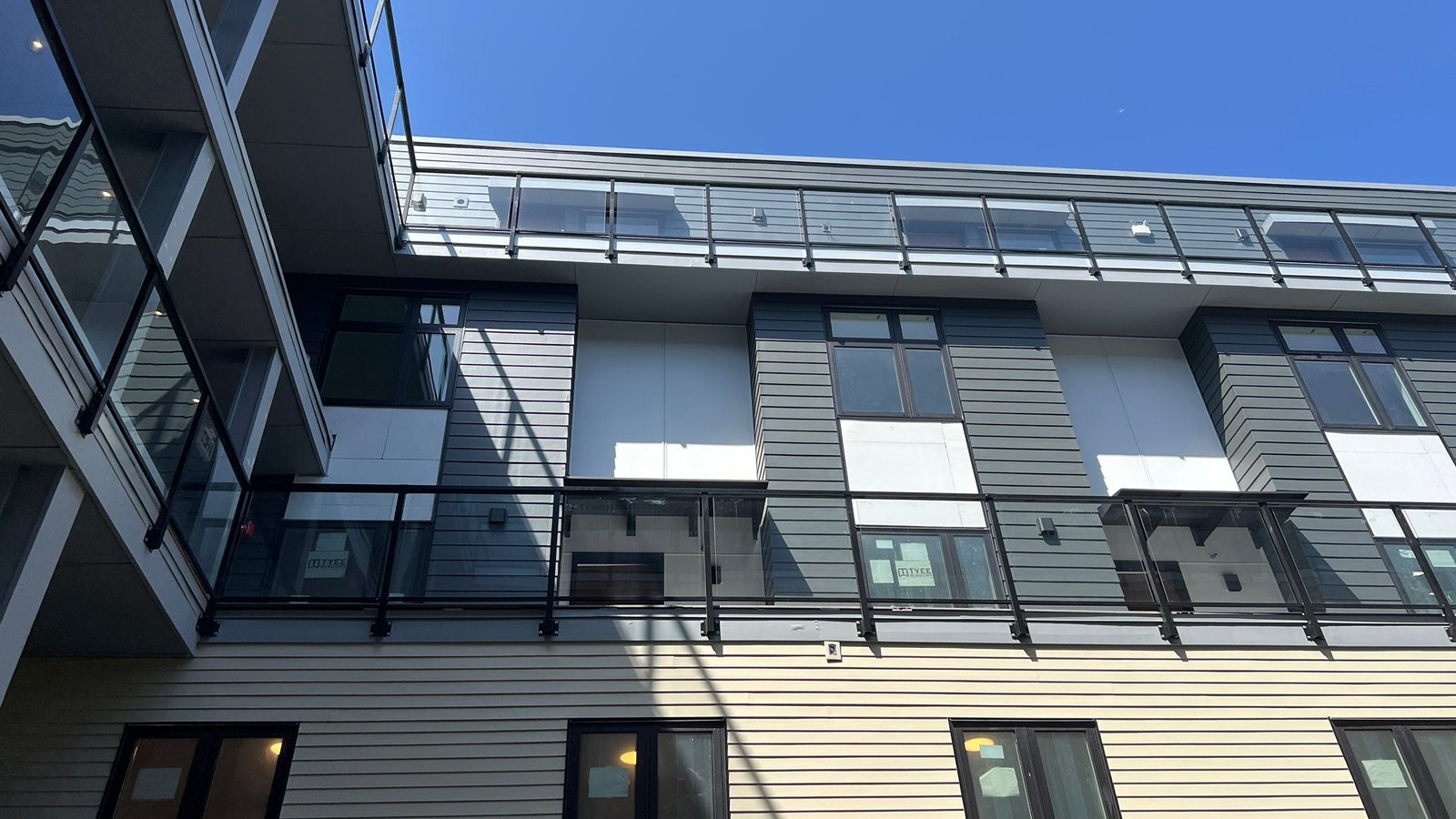
Hardie Plank is the classic horizontal lap profile, available in exposures ranging from 3 to 12 inches. Smooth finishes and Cedar Mill (a wood-grain texture) are both available, and most colour options come in the 5–7 inch exposure range, with select profiles available primed-only for site or factory finishing.
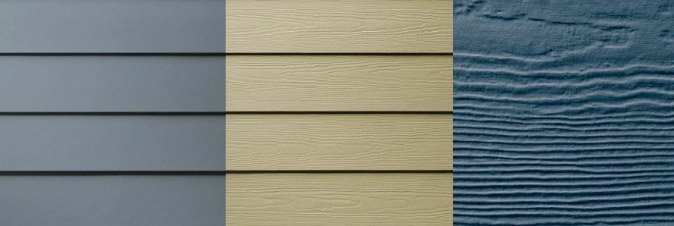
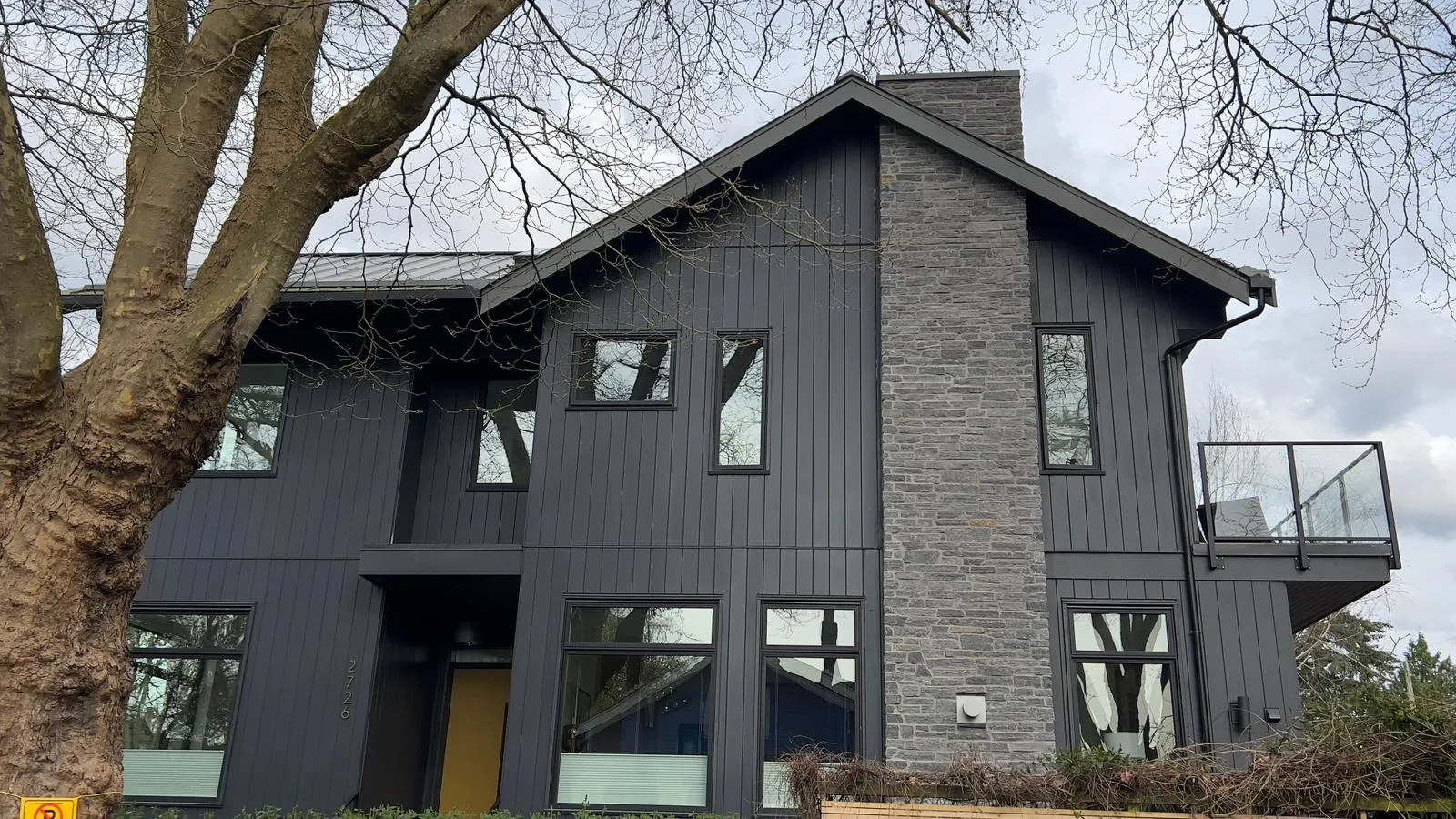
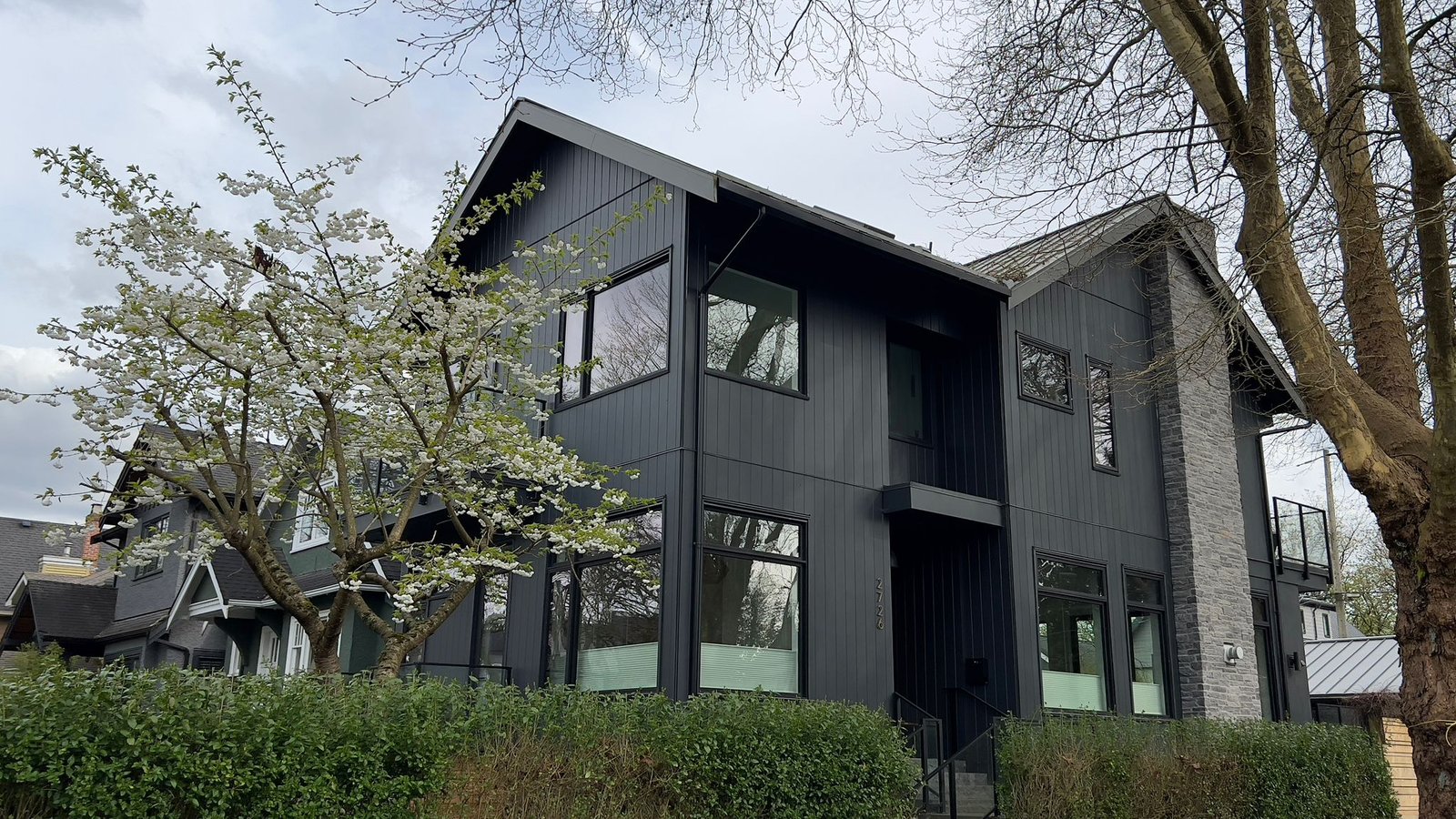
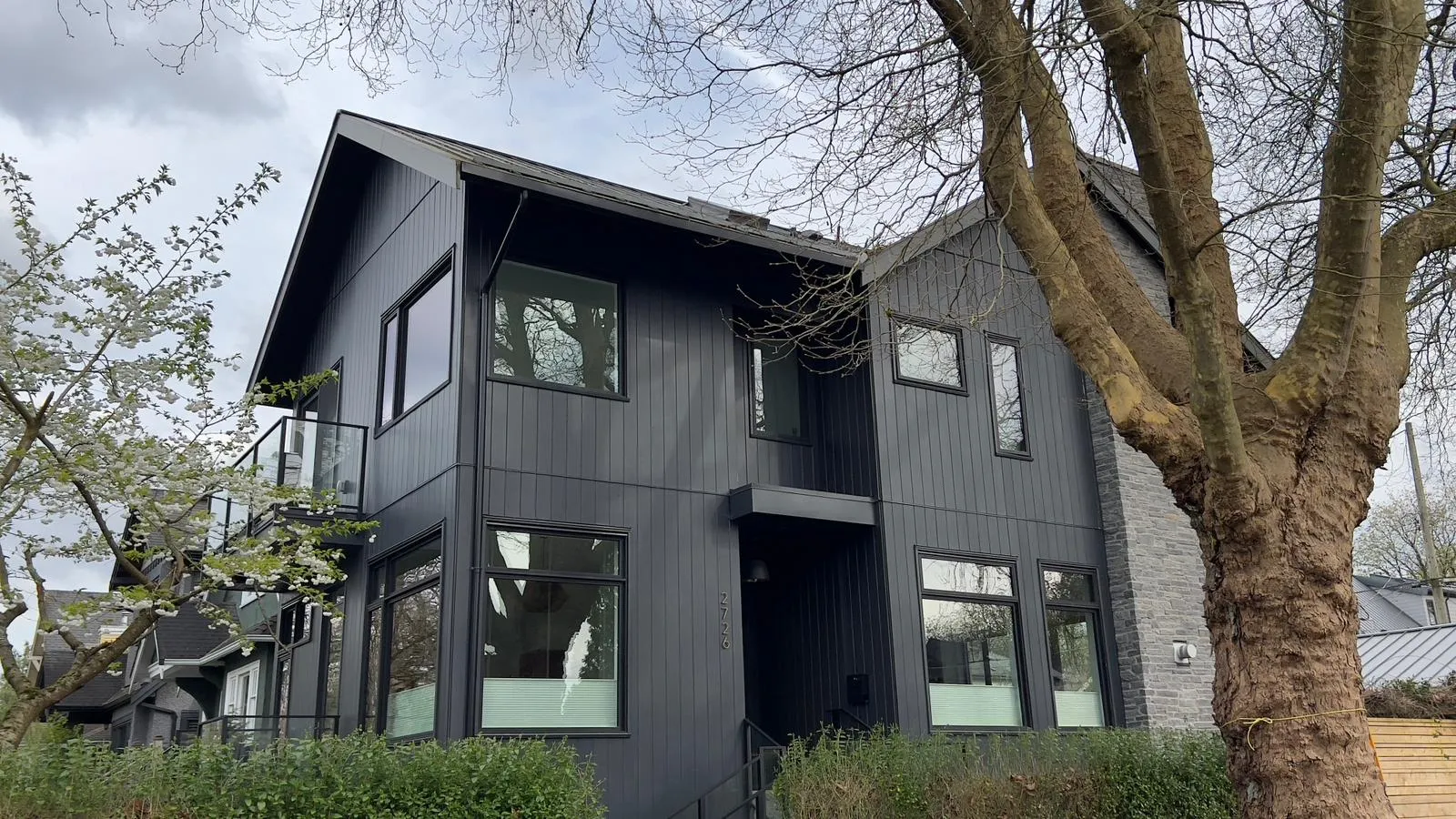
For a more modern, vertical look, Hardie Panel comes in Cedar Mill, Smooth, and Stucco textures and is typically installed as board and batten, with James Hardie Reveals or EasyTrim Reveals for clean joint lines. Depending on the wall assembly, panels can be installed with an open-joint detail or over a VaproShield membrane.
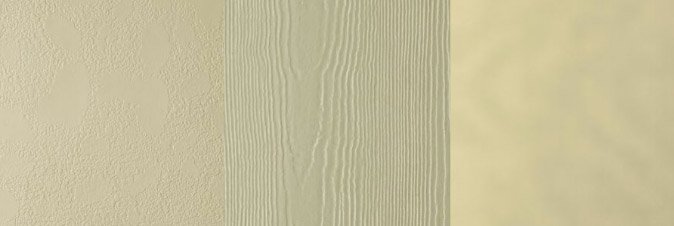
Hardie Trim finishes the details that make or break the final look — window surrounds, outside corners, and fascia boards — without the maintenance that comes with real cedar or pine trim. We tie trim details into window preparation work so the opening is sealed correctly before any trim goes on. James Hardie also makes a matching fiber cement soffit board for eaves and overhangs — see our soffit installation page if that’s part of your project.
James Hardie siding works well across a wide range of properties — single-family homes, townhouses, multi-family buildings, and commercial exteriors all use the same core product lines, just specified differently depending on the wall assembly and budget.
Where it tends to make sense:
What to weigh before choosing it:
James Hardie fiber cement siding performs differently depending on exposure, building type, and local moisture conditions. Here’s a general look at how it tends to fit across the areas we serve.
| Service Area | Why This Service May Be a Good Fit | Local Considerations |
|---|---|---|
| West Vancouver | West Vancouver’s mix of waterfront properties and higher-end character homes often calls for a cladding that holds up to direct coastal exposure while still looking refined — James Hardie’s Cedar Mill and smooth finishes are commonly chosen here for that reason. | Homes closer to the water line typically need extra attention to flashing and rain screen detailing, given the more direct exposure to wind-driven rain. |
| North Vancouver | With the North Shore mountains driving some of the heaviest rainfall in the region, North Vancouver homeowners often prioritize a cladding material with strong moisture and rot resistance over wood-look alternatives. | Steep lots and mixed sun/shade exposure on the same elevation can mean different drying conditions across one building, which affects how the drainage gap behind the siding is detailed. |
| Vancouver | Vancouver’s blend of character homes, infill builds, and low-rise multi-family buildings makes James Hardie’s range of profiles — from lap siding to board and batten — a practical fit for both renovation and new construction projects. | Older Vancouver homes being re-sided often need a substrate assessment first, since existing siding or stucco layers can hide moisture damage that should be addressed before new cladding goes on. |
| Burnaby | Burnaby’s ongoing mix of single-family renovations and new multi-family construction is well suited to James Hardie panel and plank systems, which scale from one house to a full building elevation. | On multi-family and commercial projects, local building department requirements around non-combustible cladding can be a factor in product selection. |
| Richmond | Richmond’s flatter terrain and higher water table make moisture management one of the more important factors in any cladding decision, which is part of why fiber cement’s resistance to swelling and rot is often a consideration here. | Drainage planning at grade level deserves extra attention on Richmond properties, given the generally higher groundwater levels across the area. |
James Hardie isn’t the only cladding option in Metro Vancouver, and it isn’t always the right one for every project. Here’s how it generally compares to the alternatives we get asked about most.
Vinyl costs less upfront and installs faster, but it doesn’t handle direct sun and heat as well as fiber cement, and it can’t replicate a painted wood look as convincingly. If budget is the main driver on your project, our vinyl siding page covers that option in more depth.
Allura is also a genuine fiber cement product, so the core performance — moisture resistance, fire rating, dimensional stability — is similar to James Hardie’s. The real differences come down to available profiles, finish options, and price point. We install both; see our Allura fiber cement siding page for that side-by-side.
Metal siding tends to be the more durable choice in high-impact or low-maintenance-priority situations, and leans toward a modern, industrial look — where James Hardie leans traditional or wood-look. Our metal siding page goes into more detail on when that material makes more sense for a project.
Stucco can develop cracking over time with building movement and our freeze-thaw cycles, and repairs are rarely invisible. Fiber cement panels don’t carry that same cracking risk, which is part of why James Hardie’s Stucco-texture panel is often chosen as a lower-maintenance alternative that still reads as a stucco-style finish.
Real wood and engineered wood siding both need more frequent repainting, sealing, or staining than fiber cement, and both carry more risk of rot or insect damage over time. James Hardie’s Cedar Mill texture exists specifically to give that real-wood look without the upkeep that comes with it.
Want to see what these options actually look like installed nearby? Take a look through our completed installations.
Fiber cement is heavier than vinyl, so before any plank or panel goes up, we check that the substrate is flat, sound, and able to take the fastening pattern James Hardie specifies. We also look for existing moisture damage behind older siding — catching it now is far cheaper than discovering it after the new cladding is up.
A Tyvek air barrier goes on first, followed by a rain screen system that creates the drainage gap James Hardie's own installation details call for behind the cladding. In a climate like ours, this gap is what lets any moisture that gets behind the boards actually dry out instead of sitting against the wall.
We fasten to James Hardie's specified blind-nail or face-fastened pattern, hold the manufacturer's required gaps at trim and penetrations, and treat butt joints exactly to spec. Getting these details right is what keeps the product warranty valid and the wall performing the way it's supposed to for decades.
10+
Years of experience
100+
Completed projects
100%
Licensed & insured
Free
Estimate — no obligation
Licensed, Insured & WorkSafeBC Compliant
Every James Hardie installation meets BC Building Code requirements, with full WorkSafeBC coverage on site.
Rain Screen as Standard
Not an upgrade — every James Hardie installation gets a proper drainage gap, detailed for Vancouver's rainfall.
Free, Itemised Estimates
No vague numbers — a clear, line-by-line breakdown of materials and labour before any work starts.
Genuine James Hardie Products
We install authentic James Hardie lap siding, panels, and trim — fastened to the manufacturer's published details, not generic substitutes.
Local Team
Based in West Vancouver, working across the North Shore, Burnaby, and Richmond — we know the rainfall and permit requirements specific to this region.
Clean Job Sites
Your property is respected throughout the project, with a full site cleanup at the end of every job, every time.
Cost for a James Hardie installation depends mainly on which product line you choose (lap siding, panel, or trim), the size and complexity of your elevations, the condition of your existing substrate, and the finish you select. Properties needing substrate repair or a full tear-off of old siding will cost more than a straightforward re-side over sound sheathing. Because pricing varies this much project to project, we provide a free, itemized estimate after assessing your property in person, rather than a general number that wouldn't reflect your actual job.
James Hardie fiber cement siding is built for long-term durability and is commonly cited as lasting up to 50 years or more when properly installed and maintained. Its resistance to rot, swelling, and pest damage is a big part of why it outlasts traditional wood siding, though actual lifespan still depends on installation quality, local exposure, and ongoing maintenance like periodic repainting.
No. Modern James Hardie fiber cement siding does not contain asbestos. Asbestos was used in some older cement-based building products decades ago, which is where this question often comes from, but James Hardie's current products are made from a mix of cement, sand, and cellulose fibers, with no asbestos content.
In some cases, yes, but it depends on the condition of what's underneath. We always recommend assessing the existing wall assembly first, since installing over damaged, uneven, or moisture-compromised material can trap problems behind the new siding rather than solve them. If the substrate is sound and flat, installing over it is sometimes possible; if not, removing the old siding first is the safer route, and that's something we determine during the site assessment rather than guessing in advance.
Less often than wood siding, but it isn't maintenance-free. James Hardie's ColorPlus finish is factory-applied and holds its colour longer than a typical field-applied paint job, but most installations will eventually need a fresh coat after enough years of UV and weather exposure. Primed boards that are painted on-site will follow a more standard repainting schedule, closer to what you'd expect from other painted exterior surfaces.
Yes, in most cases. Localized damage, such as a cracked or impacted board, can usually be cut out and replaced without redoing the whole wall, as long as the replacement piece is matched correctly for profile and finish. Widespread damage, or damage tied to an underlying moisture problem, is a different situation and usually means addressing the cause before just patching the visible symptom.
Yes. James Hardie's panel and lap siding systems are used on single-family homes, townhouses, low-rise multi-family buildings, and commercial properties alike. The same core products apply at any scale — the main differences are in detailing, quantity, and sometimes non-combustibility requirements that come up more often on multi-family and commercial projects.
Ready to Talk About James Hardie Siding for Your Property?
Request a free, on-site estimate and we’ll walk through the right Hardie product line for your home, multi-family building, or commercial project.
Request Your Free EstimateGet a quote today
Hours
Why Silver Siding exterior
Fill out the form below